The historical trail
Iranica identifies noodle ash within a much broader Iranian ash tradition. This is a regional and household food culture, not a recipe with one documented inventor.
Persian herb and noodle ash
آش رشته
A generous herb, bean, and noodle ash finished with tangy kashk
Fresh herbs and spinach simmer with lentils, cooked chickpeas, and cooked kidney beans before reshteh noodles thicken the pot. Fried onions, garlic, mint oil, and tangy kashk finish a substantial Iranian ash with a soft, spoonable texture.
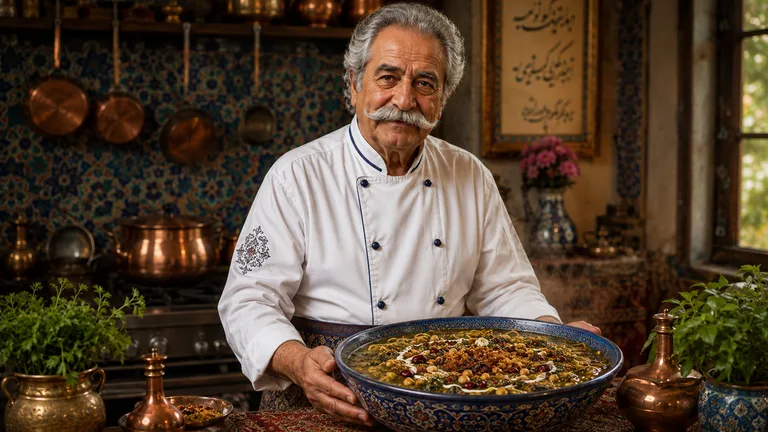
Watch the cooking film
Natural kitchen ambience accompanies this short film. Use the player controls to enable sound.
Across time and place
Ash reshteh belongs to Iran’s diverse family of thick ash dishes. Its place on communal and votive tables is well documented; herb mixtures, bean choices, and the amount of kashk vary from one kitchen to another.
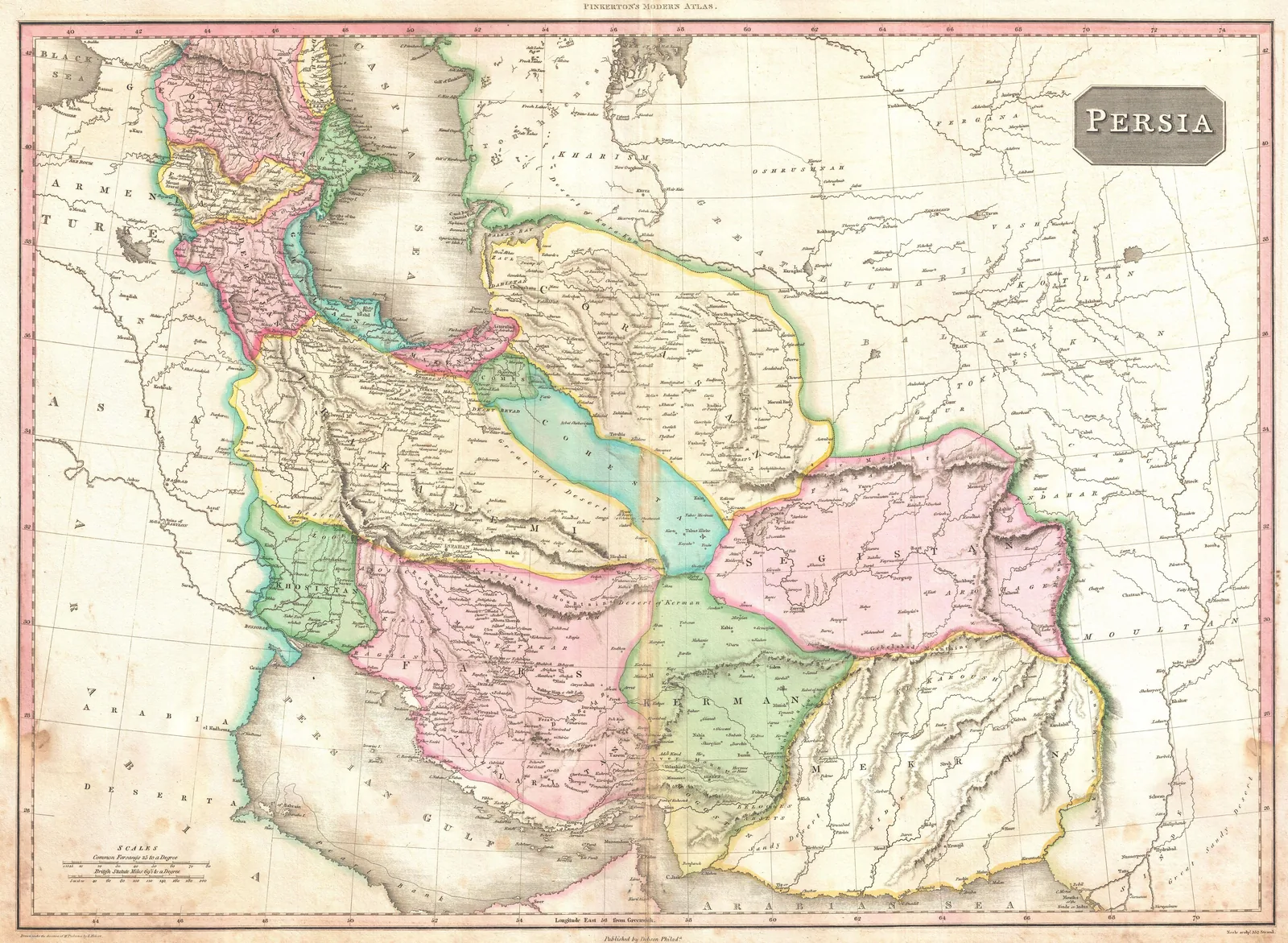 Across Iran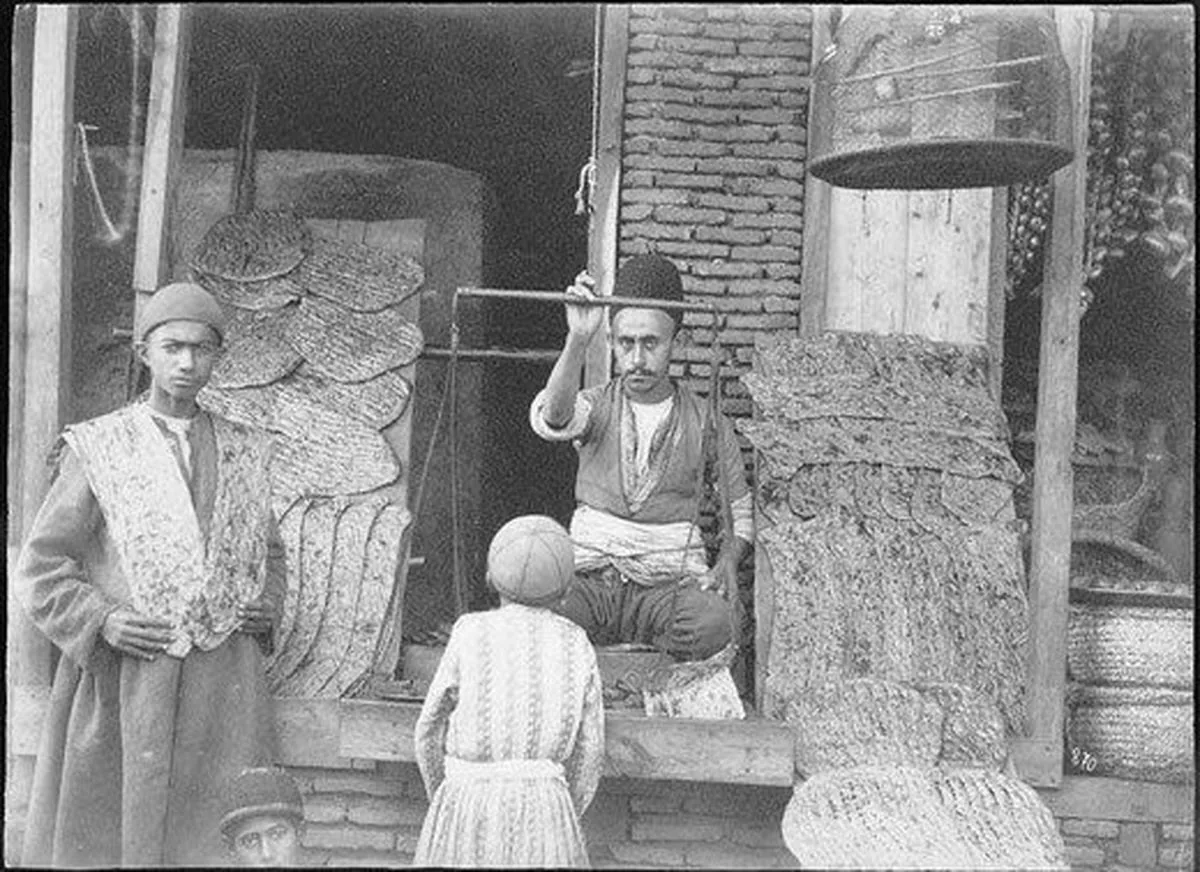
The marker indicates a broad Iranian culinary tradition—not a proven point of invention.
Iranica identifies noodle ash within a much broader Iranian ash tradition. This is a regional and household food culture, not a recipe with one documented inventor.
Qajar accounts describe noodle ash on votive tables and as ash-e posht-e pa, prepared after a traveler’s departure. Kashk belongs to a separate, long-established tradition of preserved dairy foods.
Before you begin
Every ingredient includes U.S. and metric quantities, buying guidance, preparation, and a practical substitution.

Why it mattersLentils give body while retaining small, tender pieces.
ChooseChoose whole lentils without stones or excessive broken grains.
PreparePick over and rinse thoroughly; soaking is not needed for this method.
SubstituteUse cooked lentils only by adding them with the canned beans; red split lentils dissolve more readily.
AllergenLentils are legumes and can cause individual allergic reactions.
Why it mattersChickpeas provide tender, nutty bites without a separate long cooking stage.
ChooseChoose fully cooked chickpeas in an undamaged can, preferably low-sodium.
PrepareDrain, rinse, and weigh after draining; one standard can usually supplies about this amount.
SubstituteUse the same weight of home-cooked, fully tender chickpeas; do not add dry chickpeas directly.
AllergenChickpeas are legumes; check for individual allergy and canned-product additives.
Why it mattersKidney beans add creamy centers and a contrasting color.
ChooseUse commercially canned, fully cooked beans with intact skins.
PrepareDrain and rinse gently, then measure the drained beans.
SubstituteFully cooked black-eyed peas are an alternative. Dry kidney beans are not a direct substitute and need their own safe soaking and boiling process.
AllergenBeans can cause individual allergy; never use undercooked dry kidney beans.
Why it mattersSpinach supplies soft green body and helps the ash become cohesive.
ChooseChoose crisp leaves without slime or yellowing.
PrepareWash thoroughly, trim tough stems, drain, and chop roughly.
SubstituteUse frozen chopped spinach after thawing and draining, measured by weight.
AllergenNo common major allergen; remove all grit and soil.
Why it mattersParsley builds the clean, grassy herb base.
ChooseSelect fragrant green bunches without wilted stems.
PrepareWash, drain, remove coarse stems, and chop; do not purée.
SubstituteCurly parsley works by weight; a little extra cilantro gives a different but pleasant balance.
AllergenNo common major allergen; individual herb sensitivities remain possible.
Why it mattersCilantro lends a bright aromatic note to the long-cooked greens.
ChooseChoose fresh leaves and tender stems with a strong clean aroma.
PrepareRinse well and chop the leaves and tender upper stems.
SubstituteReplace with additional parsley if necessary; the aroma will be less distinctive.
AllergenNo common major allergen; avoid for anyone with a known cilantro allergy.
Why it mattersScallions provide the gentle allium character of the ash greens.
ChooseChoose fresh white bases and bright-green leaves.
PrepareRemove roots, rinse between the layers, and finely slice both white and green parts.
SubstituteIranian tareh or chives may replace them by weight.
AllergenNo common major allergen; allium sensitivity is possible.
Why it mattersThe wheat noodles give the ash its defining strands and release thickening starch.
ChooseChoose noodles labeled for ash, not toasted reshteh polo; check the salt content.
PrepareBreak into manageable 2–3 inch (5–8 cm) lengths just before adding.
SubstituteThin linguine broken into short lengths works, but adjust cooking time and salt. Gluten-free noodles may thicken differently.
AllergenContains wheat/gluten; some brands also contain egg.
Why it mattersKashk brings concentrated tang, salt, and a creamy finish.
ChooseUse a commercially packaged pasteurized product within its use-by date and follow its heating directions.
PrepareStir until smooth; prepare the entire amount according to its label before dividing between the pot and garnish.
SubstituteThick plain yogurt is a milder alternative added off the heat; it is not identical to kashk. For dairy-free ash omit kashk and offer lemon separately.
AllergenContains milk; inspect the label for any additional allergens.
Why it mattersGolden onions add sweetness to the pot and texture to the topping.
ChooseChoose firm onions without soft spots or sprouts.
PreparePeel and slice evenly so the strips brown at a similar rate.
SubstituteWhite onions work, although their sweetness may differ.
AllergenNo common major allergen; allium sensitivity is possible.
Why it mattersBriefly fried garlic adds savory aroma without bitterness.
ChooseChoose firm cloves without green shoots or soft areas.
PreparePeel and slice thinly; keep separate from the onions because it cooks faster.
SubstituteReduce or omit for a gentler allium flavor.
AllergenNo common major allergen; individual garlic sensitivity is possible.
Why it mattersMint oil supplies the aromatic finish associated with ash.
ChooseChoose green, fragrant mint without a dusty stale odor.
PrepareRub lightly between your fingers and remove coarse stems before adding to warm oil.
SubstituteDried spearmint is suitable; omit rather than substituting mint extract.
AllergenNo common major allergen; use a single-herb product if blends are a concern.
Why it mattersTurmeric gives the onion base gentle earthiness and color.
ChooseUse fresh, fragrant ground turmeric.
PrepareBloom briefly with the onions destined for the soup.
SubstituteOmit if unavailable; curry powder changes the intended flavor.
AllergenNo common major allergen; check packaged spices for cross-contact.
Why it mattersOil carries the onion, garlic, and mint aromas.
ChooseChoose a fresh neutral oil suitable for frying.
PrepareUse 4 tablespoons (60 mL) for onions and reserve 4 teaspoons (20 mL) for garlic and mint.
SubstituteMild olive oil works with a slightly different flavor.
AllergenChoose the source oil according to diners’ allergies.
Why it mattersA modest starting amount leaves room for the salt in noodles and kashk.
ChooseUse plain fine salt for predictable seasoning.
PrepareSeason lightly at first and make the final adjustment only after the kashk.
SubstituteUse another salt by weight and taste.
AllergenNo common major allergen in plain salt.
Why it mattersPepper gives a quiet warmth beneath the herbs and dairy.
ChooseFreshly ground pepper has the cleanest aroma.
PrepareAdd with the turmeric and adjust at the end.
SubstituteReduce or omit if a very mild ash is preferred.
AllergenNo common major allergen; check seasoning blends if used.
Why it mattersWater lets the lentils cook and the herbs and noodles thicken gradually.
ChooseUse potable water; plain water keeps the herbs and kashk prominent.
PrepareBegin with 6 cups (1.4 L); keep the remaining 2 cups (480 mL) hot for the herbs and noodles.
SubstituteUnsalted vegetable stock may replace it, but check for celery and other added allergens.
AllergenWater has no common major allergen; stock may introduce others.
Step by step
Wash spinach, parsley, cilantro, and scallions thoroughly and drain. Remove tough stems, chop the leaves, and thinly slice scallions. Rinse and drain both canned beans. Slice onions and garlic separately.
Pick over and rinse the dry lentils. Put them in the large pot with 6 cups (1.4 L) water. Bring to a boil, skim any foam, then simmer gently, partly covered, until almost tender. Begin the onions while the lentils cook.
Heat 4 tablespoons (60 mL) oil in the skillet over medium heat. Add onions and cook, stirring often, until evenly golden. Reserve half for garnish. Stir turmeric and pepper into the remaining onions for 30 seconds, then add them to the lentils.
Warm the reserved 4 teaspoons (20 mL) oil over medium-low heat in the small saucepan. Add garlic and stir until pale gold; remove it with a slotted spoon. Turn off the heat, stir mint into the warm oil for 10–15 seconds, and immediately transfer to a heatproof bowl.
Add spinach, parsley, cilantro, and scallions to the lentils, a few handfuls at a time. Add the remaining 2 cups (480 mL) hot water and 1/2 teaspoon salt. Simmer gently, partly covered, stirring from the bottom occasionally.
Fold in the drained chickpeas and kidney beans with half the fried garlic and half the mint oil. Simmer gently without crushing the beans. Keep the remaining toppings for the bowls.
Break reshteh into short lengths and scatter it into the gently bubbling ash, stirring between additions. Cook uncovered according to the package, stirring gently from the base. Add hot water in 1/4-cup (60 mL) portions if the mixture becomes stiff before the noodles soften.
Prepare all the pasteurized kashk according to the label, including any required heating, while the noodles cook. Whisk 1/2 cup (120 g) with a ladle of hot ash, return it to the pot, and simmer gently for 5 minutes. Reserve 1/4 cup (60 g) prepared kashk for garnish.
Taste after the noodles and kashk have supplied their salt. Adjust with small amounts of salt, pepper, or hot water. Turn off the heat and rest for 10 minutes; the noodles will continue to absorb liquid, so leave the pot slightly looser than the desired serving texture.
Ladle into warm bowls. Spoon over the prepared reserved kashk, golden onions, garlic, and mint oil. Serve hot, keeping extra toppings separate so each bowl can be balanced to taste.
Divide into shallow containers and refrigerate within 2 hours at 40°F (4°C) or below; use within 3 days. Store toppings separately. Freeze for up to 2 months for best quality, preferably before adding noodles and kashk; thaw in the refrigerator.
Add a little water because the noodles thicken during storage. Stir over moderate heat, scraping the base gently, until the ash reaches a bubbling boil and at least 165°F (74°C) throughout. Reheat only the portion needed and add safely stored toppings at serving.
Food safety
Use fully cooked canned kidney beans and commercially packaged pasteurized kashk; follow the kashk label rather than assuming it can be used unheated. Cool the large pot in shallow portions, not on the counter overnight. Refrigerate within 1 hour if the room is above 90°F (32°C).
Good to know
Only after cooking them separately until fully tender using appropriate safe methods. This recipe’s timing is designed for already cooked beans, not dry beans added to the ash.
Reshteh continues absorbing liquid as it rests and chills. Stir in hot water a little at a time until a ladleful flows slowly; do not add extra noodles to an already thick pot.
Thick plain yogurt gives a milder sour note; temper it with a little hot ash and add off the heat. For no dairy, omit kashk and offer lemon, clearly treating it as an adaptation.
Turn off the heat before adding dried mint to warm oil and move it to a bowl after 10–15 seconds. Dark mint and a burnt smell mean it has cooked too long.
Cooked by you
Share a photo of your dish and a note about how the recipe went. Every submission is reviewed before public display, and submission does not guarantee publication.