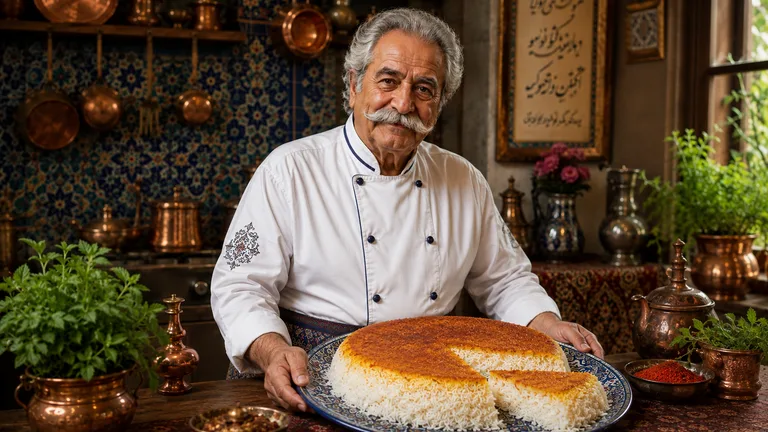
Tahdig
Tahdig is part of Iranian rice cookery, where a browned bottom layer is valued alongside the tender grains. Iranica records a golden rice crust in its account of northern Iranian kateh.
Read the story & originsBeyond the recipe
Explore the places, traditions and shared tables behind Persian cooking. Each story distinguishes what is documented from what remains uncertain.
Tahdig is part of Iranian rice cookery, where a browned bottom layer is valued alongside the tender grains. Iranica records a golden rice crust in its account of northern Iranian kateh.
Read the story & origins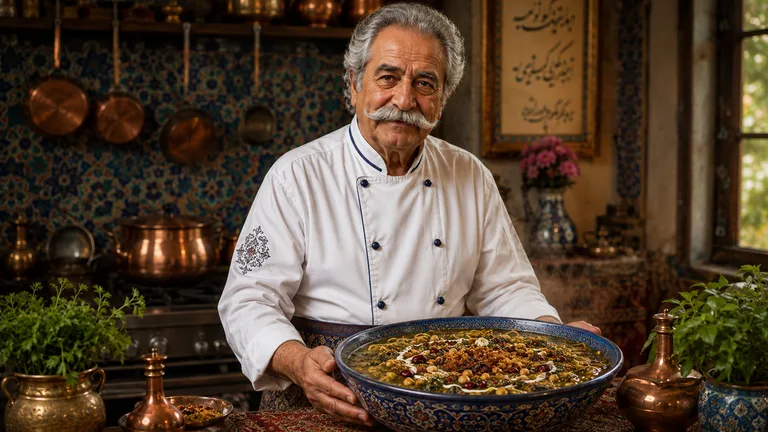
Iranica identifies noodle ash within a much broader Iranian ash tradition. This is a regional and household food culture, not a recipe with one documented inventor.
Read the story & origins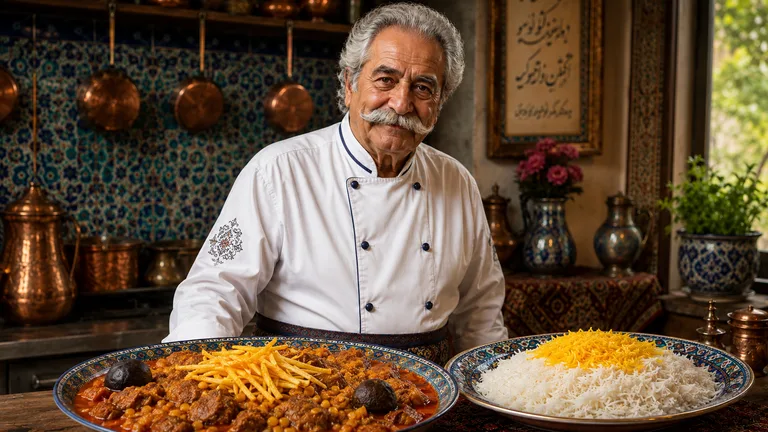
Iranica lists gheymeh among Iran’s principal khoresh dishes. The broader khoresh tradition combines meat, onions, vegetables or legumes, and restrained spices, usually served with rice.
Read the story & origins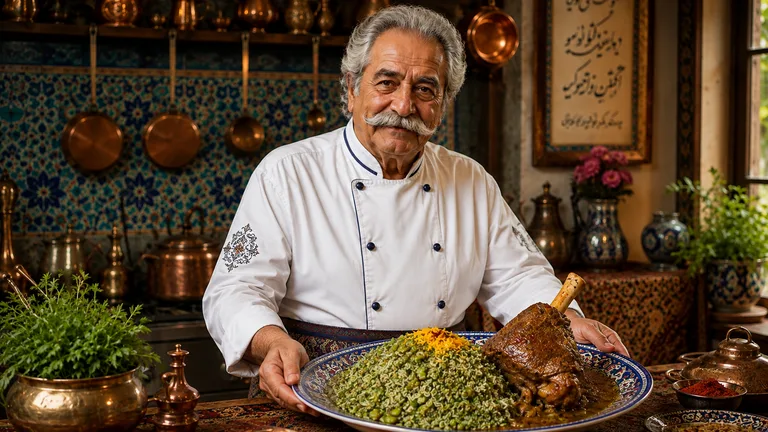
Iranica explicitly records baghali polo as rice with fava beans and dill. Its dill entry also identifies dill as the characteristic herb used with fava beans in Iranian cooking.
Read the story & origins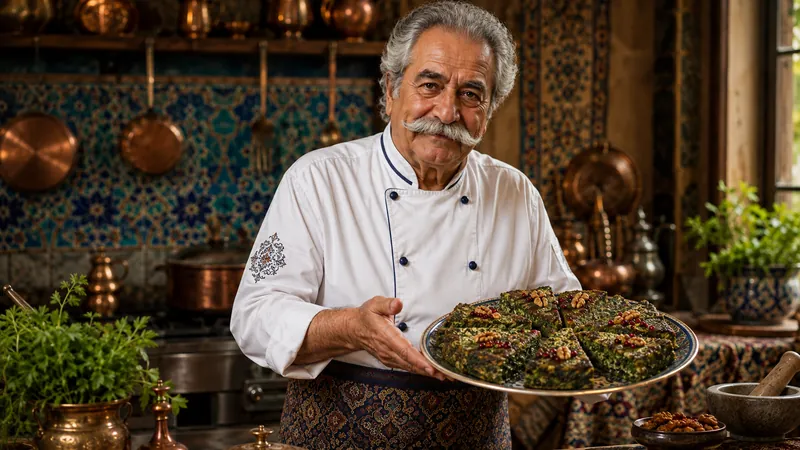
Kuku has long appeared in Iranian cookery as an egg-bound preparation in which herbs or vegetables dominate. Historical descriptions of Qajar cuisine identify kuku as an egg dish with mixed herbs, while regional accounts record several distinct kuku styles.
Read the story & origins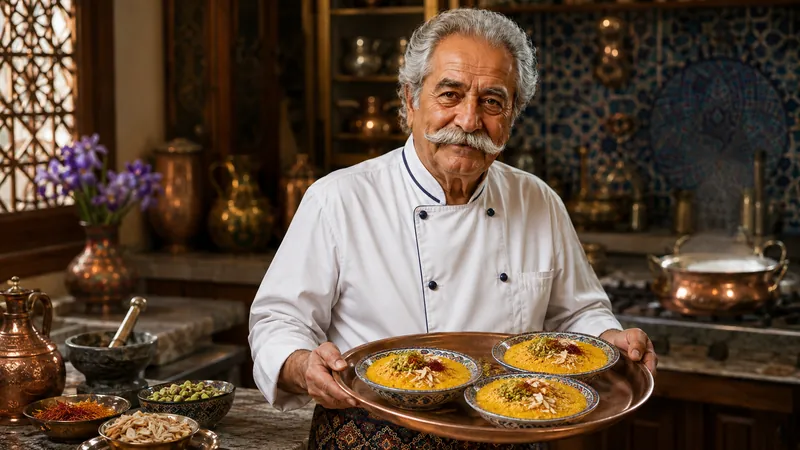
Historical accounts of Qajar cuisine identify sholeh zard as a saffron rice pudding served on devotional vow tables, during mourning months, and at funerals. Its continuing role as nazri links the dessert to communal preparation and distribution as well as household hospitality.
Read the story & origins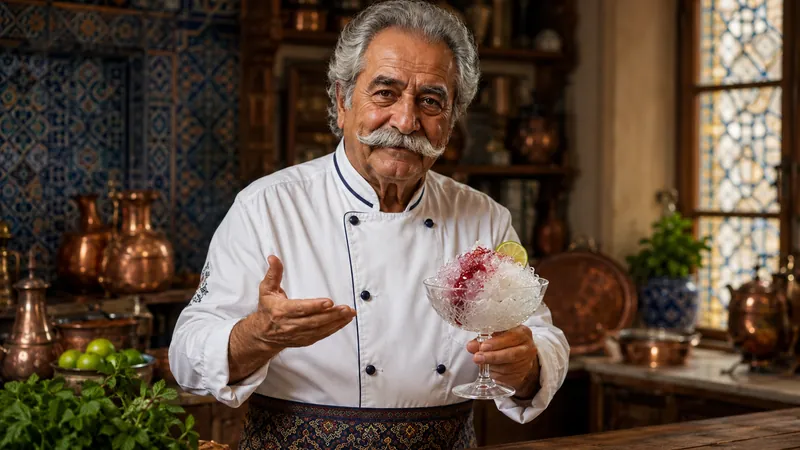
Iranian ice houses made stored winter ice available for warm-season food and drink long before mechanical refrigeration, and historical discussion of yakhchal culture specifically names faloodeh as a popular use of ice. The noodle-and-rosewater dessert remains one of Iran’s signature frozen sweets.
Read the story & origins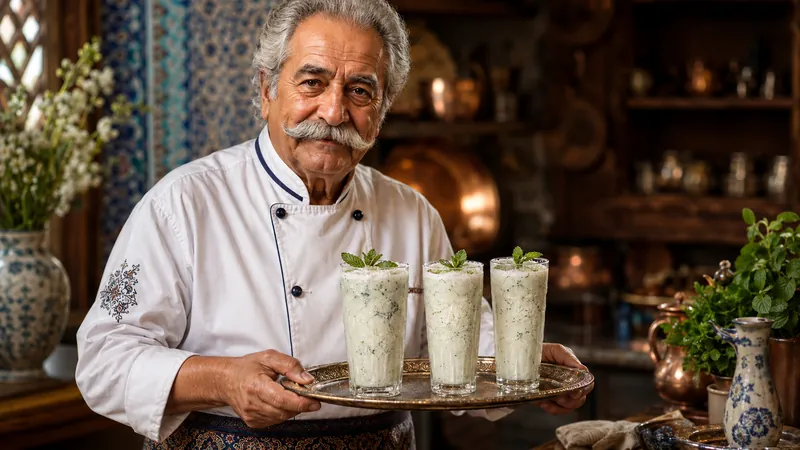
The term doogh occurs in Persian sources from at least the 11th century. Traditional doogh developed through dairy churning: butter was removed and the remaining cultured liquid was consumed, while modern versions usually combine yogurt with still or carbonated water, salt, and herbs.
Read the story & origins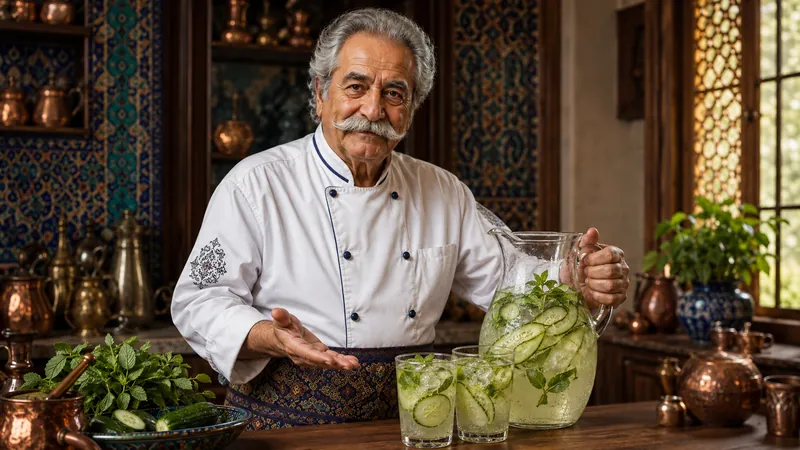
Sekanjabin belongs to a long history of sweetened vinegar preparations used in Iranian food and medical writing. Encyclopaedia Iranica records the familiar Persian syrup as vinegar and sugar—originally honey—usually flavored with mint, and also documents its pairing with cucumber.
Read the story & origins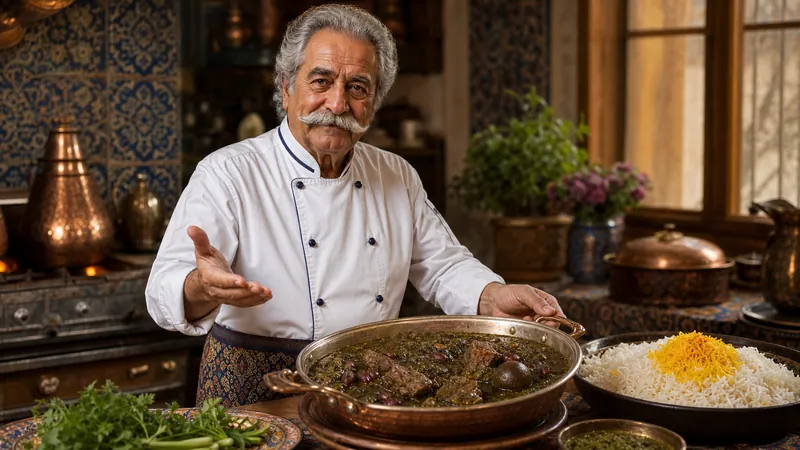
Ghormeh sabzi is an established Iranian khoresh, but no reliable record identifies one inventor, birthplace, or creation date. Historical and ethnographic sources instead show a dish rooted across Iranian foodways, with regional differences in the herbs and beans used.
Read the story & origins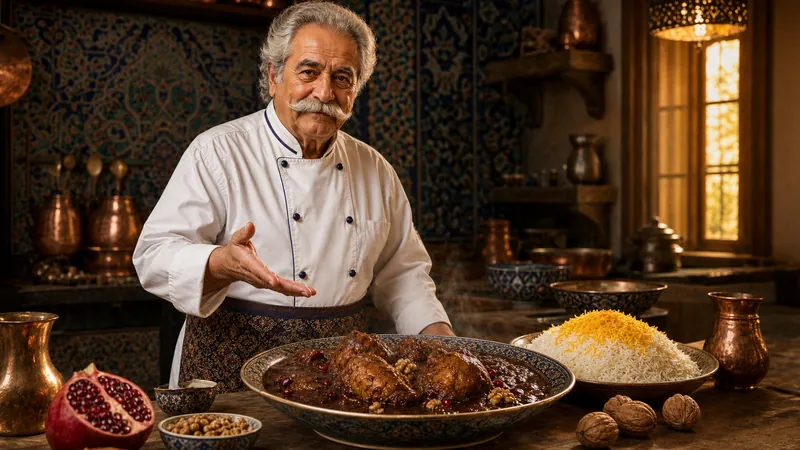
Fesenjan has one of the clearest regional trails among Iran’s celebrated khoreshes. Historical references connect fasujan with Gilan, while later Qajar records document multiple walnut-and-pomegranate versions served with poultry or meatballs.
Read the story & origins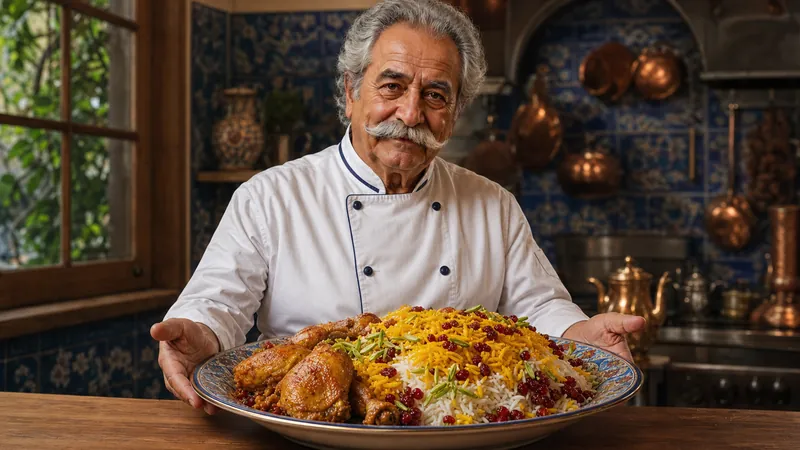
Zereshk polo ba morgh is an Iranian celebration rice whose story joins Persian rice technique with the geography of barberries. Historical foodways sources establish it as a traditional combination, especially suited to gatherings and ceremonial tables.
Read the story & origins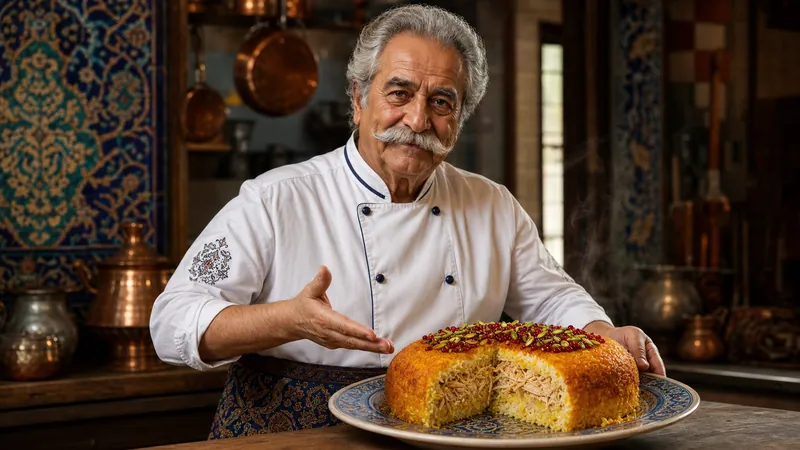
Tahchin-e morgh belongs to the Iranian tahchin family; its name refers to ingredients arranged at the bottom of the cooking vessel. Historical references describe rice bound with yogurt, saffron, and egg, with chicken, meat, spinach, fish, and vegetable variations.
Read the story & origins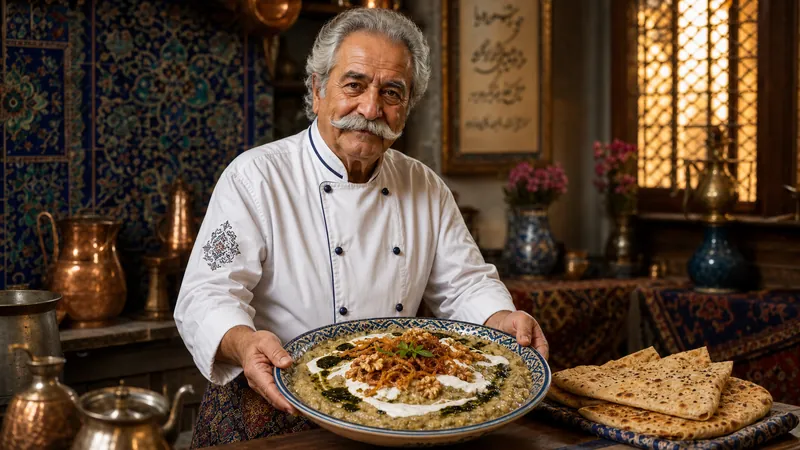
Kashk-e bademjan brings together two deeply established ingredients in Iranian foodways: eggplant and kashk, a preserved sour dairy product. Medieval Persian writing documents eggplant preparation, while later culinary records name the combined dish directly.
Read the story & origins