The historical trail
Dolma is a shared family of stuffed foods across the Middle East and Mediterranean. Iranica documents Persian examples from the seventeenth century and grape-leaf recipes in later court cookbooks.
Persian stuffed grape leaves
دلمهٔ برگ مو
Grape-leaf parcels filled with beef, rice, split peas, and herbs
Tender grape leaves enclose a fragrant, fully cooked beef filling with parboiled rice and split peas. A gentle simmer and a measured vinegar-and-sugar finish give these small parcels their soft texture and pleasantly sweet-sour balance.

Watch the cooking film
Natural kitchen ambience accompanies this short film. Use the player controls to enable sound.
Across time and place
Dolmeh fillings and seasonings change from one household to another. This meat-and-herb version is served warm and uses small folded parcels; long rolls are also possible. Jarred leaves make the dish practical beyond the fresh-leaf season.
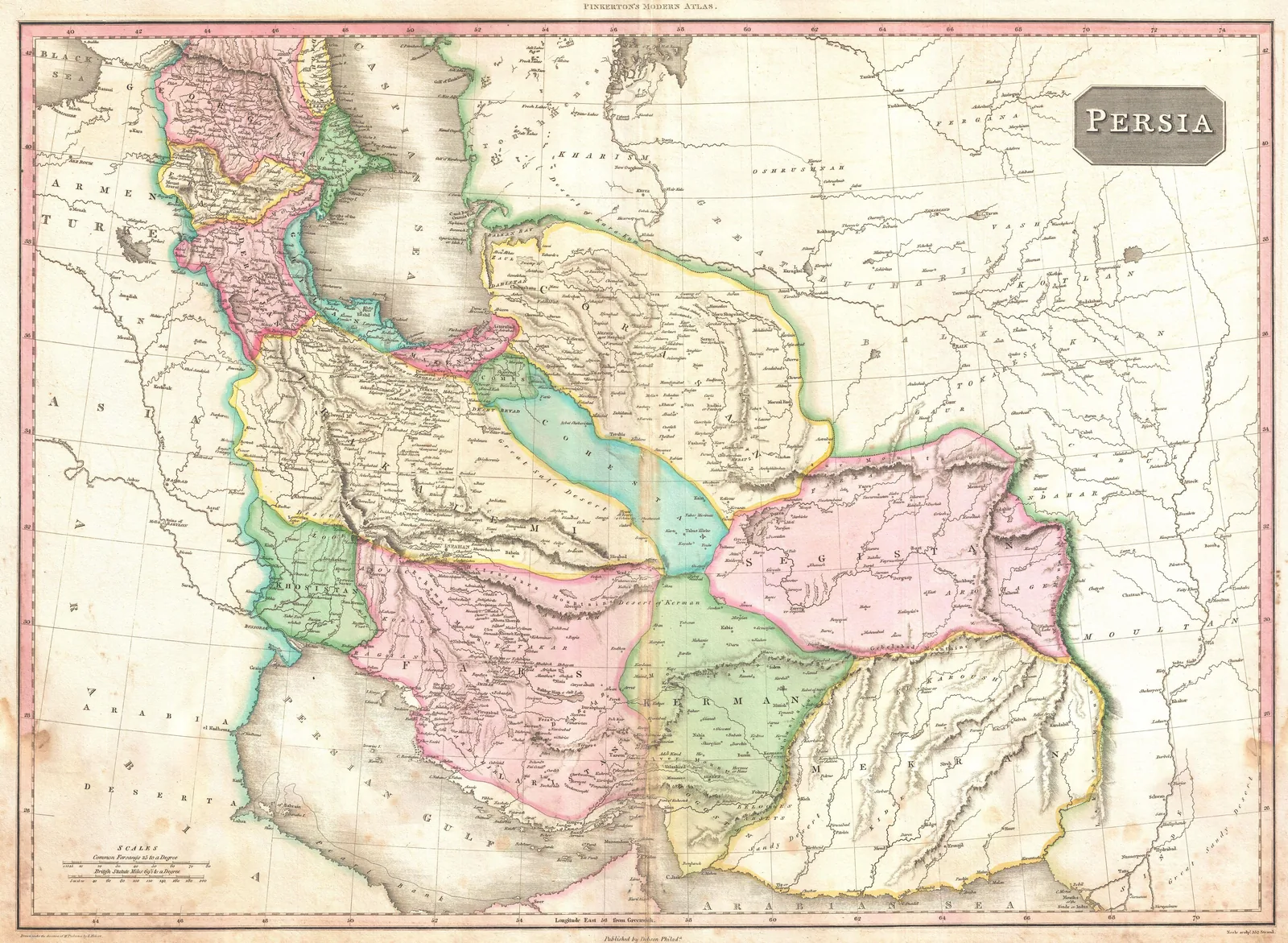 Across Iran
The marker indicates a broad Iranian culinary tradition—not a proven point of invention.
Dolma is a shared family of stuffed foods across the Middle East and Mediterranean. Iranica documents Persian examples from the seventeenth century and grape-leaf recipes in later court cookbooks.
The Iranian grape-leaf tradition includes rice, herbs, pulses, meat, and sour-sweet seasonings in varying combinations. Homa's Persian Mama account records a different, meatless Azeri family version, illustrating that variety.
Before you begin
Every ingredient includes U.S. and metric quantities, buying guidance, preparation, and a practical substitution.

Why it mattersThe leaves hold the filling and add a gentle tartness. Extra leaves line the pot and patch small tears.
ChooseChoose tender food-grade leaves about 5–6 inches (13–15 cm) across, without large holes; jar yields vary.
PrepareRinse, trim stems flush, and soak 10 minutes in cool water if salty. Drain; blanch stiff leaves for 1–2 minutes until pliable.
SubstituteUse the same number of young fresh edible grape leaves from a known safe, unsprayed source; rinse and blanch 2–3 minutes. Do not substitute unidentified vine leaves.
AllergenCheck the jar for sulfites and other preservatives if sensitive.
Why it mattersRice absorbs the cooking juices and gives the parcels their tender center.
ChooseChoose plain basmati or another long-grain white rice, not instant rice.
PrepareRinse and boil in ample water for 5–7 minutes; drain when the outside softens but the center stays firm.
SubstituteMedium-grain white rice works; shorten its parboil if it softens quickly. Brown rice needs a separately adjusted method.
AllergenPlain rice has no major declared allergen; check cross-contact for strict gluten avoidance.
Why it mattersSplit peas add a mild, nutty flavor and a distinct soft bite.
ChooseBuy fresh-stock yellow split peas without stones or insect damage; older peas cook more slowly.
PrepareSort, rinse, and simmer separately for 25–35 minutes, or until tender but still intact; drain well.
SubstituteReplace with 3/4 cup (130 g) cooked, drained lentils for a different texture; do not add dry legumes directly to the filling.
AllergenA legume; individual pea or lentil allergy is possible.
Why it mattersBeef makes a savory filling without excessive rendered fat.
ChooseUse refrigerated fresh ground beef within its safe storage period.
PrepareBreak into small crumbles while cooking and reach 160°F (71°C) before mixing with the grains.
SubstituteGround lamb can replace beef at the same weight; drain excess fat and cook to the same temperature.
AllergenNo major allergen is added by plain beef; individual meat allergy remains possible.
Why it mattersSoft onion gives sweetness underneath the herbs.
ChooseChoose a firm onion with dry skin.
PreparePeel and chop finely so large pieces do not tear the leaves.
SubstituteUse the same weight of white onion.
AllergenNo common major allergen; individual allium sensitivity is possible.
Why it mattersParsley is the fresh, green foundation of the herb mixture.
ChooseChoose crisp leaves without yellowing.
PrepareWash, dry, remove tough stems, and chop finely.
SubstituteUse cilantro for part of the parsley if preferred.
AllergenNo common major allergen; individual herb allergies are possible.
Why it mattersDill contributes its light, distinctive fragrance.
ChooseChoose green fronds without sliminess.
PrepareWash, dry, discard thick stems, and chop.
SubstituteUse 1 tablespoon (3 g) dried dill instead.
AllergenNo common major allergen; check dried-herb blends.
Why it mattersA restrained amount gives freshness without dominating.
ChooseUse culinary mint with clean, fragrant leaves.
PrepareWash, dry, remove stems, and chop finely.
SubstituteUse 1 teaspoon (1 g) dried mint, or replace with parsley for a milder filling.
AllergenNo common major allergen; individual mint allergy is possible.
Why it mattersTarragon adds a small anise-like note to the herbs.
ChooseChoose tender culinary tarragon, not a seasoning mix.
PrepareStrip the leaves, wash, dry, and chop.
SubstituteUse 1 teaspoon (1 g) dried tarragon or another 10 g parsley.
AllergenNo common major allergen; check packaged herbs for cross-contact.
Why it mattersOil softens the onion and keeps the parcels moist.
ChooseChoose fresh canola or another suitable plain oil.
PrepareUse 2 tablespoons (30 mL) for the filling and 1 tablespoon (15 mL) in the cooking liquid.
SubstituteMild olive oil works at the same amount.
AllergenChoose an oil compatible with diners' allergies.
Why it mattersTurmeric adds a warm background to the beef.
ChooseUse pure, fragrant turmeric.
PrepareStir into the cooked onion just before the beef.
SubstituteOmit if needed; the flavor will be lighter.
AllergenCheck spice packaging for relevant cross-contact.
Why it mattersVinegar provides the sour half of the final sweet-sour seasoning.
ChooseUse ordinary culinary vinegar around 5% acidity, never concentrated cleaning vinegar.
PrepareMix with the sugar and 1/4 cup (60 mL) of the measured water; add near the end.
SubstituteUse fresh lemon juice at the same starting volume, then adjust only after the filling is cooked.
AllergenGrape vinegar may contain sulfites. Malt vinegar is not an equivalent gluten-free substitution.
Why it mattersA small amount rounds the vinegar without making a dessert-like sauce.
ChooseUse plain white sugar.
PrepareDissolve in the vinegar-water mixture.
SubstituteReduce or omit for a tangier result; taste the cooked parcels before adding more.
AllergenPlain sugar has no common major allergen.
Why it mattersSeasoning balances the beef and grains; brined leaves may already contribute enough salt.
ChooseUse plain fine salt and ground black pepper.
PrepareStart with 1/4 teaspoon (1.5 g) salt in the filling; add pepper and adjust salt only after the beef is cooked.
SubstituteOmit pepper for a very mild version and reduce salt for especially salty leaves.
AllergenPlain salt and pepper have no common major allergen; blends may differ.
Why it mattersA shallow cooking liquid steams and gently simmers the tightly packed parcels.
ChooseUse potable water.
PrepareReserve 1/4 cup (60 mL) for the vinegar mixture; use 1 1/4 cups (300 mL) initially in the pot.
SubstitutePlain water is preferred; stock changes both salt and allergen considerations.
AllergenWater adds no food allergen.
Step by step
Rinse and drain the leaves, trim stems, and soften them as described in the ingredient notes. Reserve 8–10 torn or small leaves for lining and repairs. Wash and dry the herbs, then chop finely. Set out a clean tray for wrapping.
Simmer the rinsed split peas in plenty of water for 25–35 minutes until tender but intact. In a second pan, boil the rinsed rice in ample water for 5–7 minutes, leaving a firm center. Drain both thoroughly. While they cook, continue with the beef so the prepared ingredients do not sit out unnecessarily.
Heat 2 tablespoons (30 mL) oil in the skillet over medium heat. Soften the onion for 8–10 minutes, stirring. Add turmeric for 20 seconds, then beef, pepper, and 1/4 teaspoon (1.5 g) salt. Break up the beef and cook for 7–9 minutes, until no raw clumps remain and several checks in the gathered meat register at least 160°F (71°C). Wash tools that touched raw meat.
Off the heat, mix beef, rice, split peas, and herbs. Cool only until safe to handle, about 5 minutes, then taste and adjust the remaining salt. Line the pot with spare leaves. Place a leaf vein-side up, stem end toward you. Add about 1 heaped tablespoon of filling, fold the bottom over it, then the sides, and finish as a compact parcel with room for the rice to expand. Place seam-side down in close layers. Use two overlapping small leaves if needed.
Pour in 1 1/4 cups (300 mL) water and the remaining tablespoon (15 mL) oil. The liquid should reach roughly two-thirds of the packed parcels' depth; add a little water if needed. Set the heatproof plate on top, cover the pot, and bring just to a simmer. Lower the heat and cook gently for 45–55 minutes. Check the liquid at the edge after 25 minutes; add hot water a few tablespoons at a time if the bottom is nearly dry.
Mix vinegar, sugar, and the reserved 1/4 cup (60 mL) water. Using tongs and protection from steam, carefully lift the plate and pour the mixture around the parcels. Replace the plate and simmer another 15–20 minutes. Test one parcel: the leaf should cut easily, the rice and peas should be tender, and the center should reach 165°F (74°C). Tough leaves need more gentle cooking and small additions of hot water.
Turn off the heat and rest for 10 minutes with the lid ajar. Remove the hot plate carefully and lift the parcels individually onto a platter. Spoon over a little pan liquid. Serve warm; do not leave the remaining rice-filled parcels cooling in the deep pot.
Because these contain rice, divide leftovers promptly into shallow containers and refrigerate as soon as possible, ideally within 1 hour. Keep at 40°F (4°C) or below and use within 24 hours, or freeze promptly for up to 2 months for best quality. Do not keep any perishable food left out beyond 2 hours, or 1 hour above 90°F (32°C).
Thaw frozen portions in the refrigerator. Arrange in a covered pan with 2–3 tablespoons of water and heat gently until the center of several parcels reaches 165°F (74°C). Reheat only once and eat immediately; heat only what you need.
Food safety
Cook the ground beef fully before tasting the filling, then wrap and cook promptly. Use only identified edible grape leaves from a food-safe source. The vinegar seasoning does not make these shelf-stable: this is not a canning recipe. Follow the short cooling and storage times for rice.
Good to know
Mature leaves may be fibrous even after a long simmer. Start with tender leaves, keep enough moisture in the pot, and add the vinegar late. Continue in 10-minute intervals if the filling is ready before the leaves.
Yes, if rinsed leaves already bend easily. Briefly blanch only stiff leaves. Soak salty leaves in cool water and use little added salt; the filling should not compensate for an overly salty wrapper.
Too much filling, a loose fold, or a rolling boil can open them. Reduce the filling slightly, place the seam underneath, pack closely, and keep the simmer gentle under the heatproof plate.
Yes, within the 24-hour refrigerated rice limit. Cook, cool promptly in shallow containers, refrigerate, and reheat once to 165°F (74°C). Do not leave wrapped parcels on the counter overnight.
Cooked by you
Share a photo of your dish and a note about how the recipe went. Every submission is reviewed before public display, and submission does not guarantee publication.