The historical trail
Iranica identifies Mirza Ghasemi as a characteristic Gilani preparation and records its core combination of eggplant, garlic, tomato, and egg. Its eggplant survey also places the dish in northern Iranian cooking.
Gilani eggplant and egg dish
میرزا قاسمی
Roasted eggplant, tomato, garlic, and tender, fully cooked eggs in a Gilani classic
Roast eggplants until their flesh collapses, peel and chop them, then cook with plenty of garlic and a reduced tomato base. Fold in beaten eggs at the end and cook them fully, leaving a soft, spoonable mixture to share with warm bread.

Watch the cooking film
Natural kitchen ambience accompanies this short film. Use the player controls to enable sound.
Across time and place
Mirza Ghasemi is associated with Gilan on the Caspian coast. It can be a shared starter or part of a meal with bread or rice; an oven or broiler gives a gentler roasted flavor than outdoor flame cooking.
 Gilan, by the Caspian Sea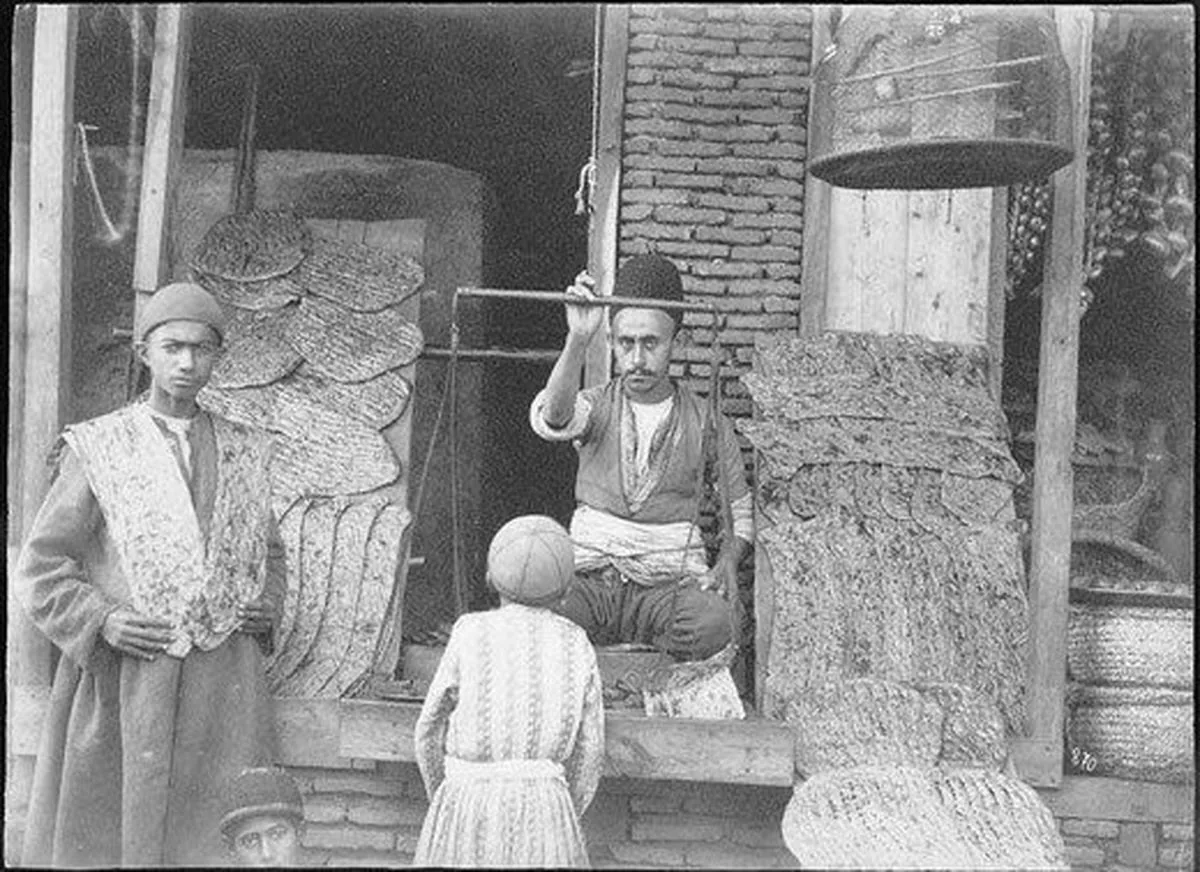
Gilan is highlighted for this dish’s documented regional tradition, not a proven location of invention.
Iranica identifies Mirza Ghasemi as a characteristic Gilani preparation and records its core combination of eggplant, garlic, tomato, and egg. Its eggplant survey also places the dish in northern Iranian cooking.
The strongest documented association is Gilan, not a single kitchen. Rasht's UNESCO Creative City of Gastronomy profile, listing membership from 2015, provides broader context for the region's living food heritage rather than proof of this dish's invention.
Before you begin
Every ingredient includes U.S. and metric quantities, buying guidance, preparation, and a practical substitution.

Why it mattersEggplant provides the soft base; roasting the whole fruit concentrates its flavor without frying it in oil.
ChooseChoose firm, glossy medium eggplants with green stems and no sunken brown patches; similar sizes roast more evenly.
PrepareRinse, dry, and pierce each several times with a fork before roasting. Peel only after the flesh has collapsed and cooled enough to handle.
SubstituteUse smaller Italian or Japanese eggplants by total weight and check earlier; large globe eggplants may take longer.
AllergenNo common major allergen; individual eggplant or nightshade allergy is possible.
Why it mattersTomatoes give acidity, moisture, and a mellow red-orange color to the roasted eggplant.
ChooseChoose ripe, fragrant plum or similar meaty tomatoes; watery tomatoes simply need longer reduction.
PrepareRinse and halve. Grate the cut sides over a bowl and discard the remaining skins, keeping the pulp and juice.
SubstituteUse one 14-ounce (400 g) can of plain crushed tomatoes, then cook to the same thick consistency; taste before adding all the salt.
AllergenNo common major allergen; check packaged tomatoes for added ingredients.
Why it mattersGarlic is a defining savory note, not merely a garnish.
ChooseChoose firm cloves without soft spots or mold; the weight is more reliable than clove count.
PreparePeel and mince finely, or crush to a rough paste. Cook briefly over moderate heat so it does not burn.
SubstituteReduce to 4 cloves (15 g) for a milder version. Garlic powder will not give the same texture or freshness.
AllergenNo common major allergen; individual allium sensitivity is possible.
Why it mattersEggs give the vegetable mixture body and soft curds when folded in near the end.
ChooseUse clean, uncracked refrigerated eggs within the recommended storage period.
PrepareCrack into a separate bowl and beat lightly just before using. Cook the finished mixture to at least 160°F (71°C).
SubstituteUse 3/4 cup plus 1 1/2 tablespoons (about 200 mL) plain pasteurized liquid whole egg. Omitting eggs makes a different, looser eggplant dish.
AllergenContains egg. Pasteurization does not remove the egg allergen.
Why it mattersMeasured oil carries garlic and turmeric through the vegetable base without making it greasy.
ChooseUse fresh olive oil or a neutral oil appropriate for moderate stovetop heat.
PrepareMeasure all 3 tablespoons (45 mL) into the skillet; the whole eggplants need no oil for roasting.
SubstituteAnother suitable unsalted cooking fat can be used, but butter introduces milk and browns more quickly.
AllergenSelect an oil that suits diners' allergies; flavored oils and substitutions may add allergens.
Why it mattersTurmeric adds a warm yellow tone and an earthy background to the eggs and vegetables.
ChooseUse plain, fragrant turmeric rather than a mixed curry seasoning.
PrepareStir into the garlic for only about 20 seconds before adding moist tomatoes.
SubstituteOmit if needed; the color and aroma will be lighter.
AllergenNo common major allergen; check spice cross-contact where necessary.
Why it mattersSalt balances tomato acidity and the gentle sweetness of cooked eggplant.
ChooseUse plain fine salt and measure coarse varieties by weight.
PrepareStart with 3/4 teaspoon (4.5 g) in the tomatoes, then add the remainder only if needed after the eggs are fully cooked.
SubstituteReduce to taste, particularly when serving with salty bread or using salted canned tomatoes.
AllergenPlain salt contains no common major allergen.
Why it mattersA small amount adds warmth without obscuring the garlic.
ChooseChoose freshly ground black pepper with a clear aroma.
PrepareAdd to the tomato base so its flavor disperses evenly.
SubstituteReduce or leave out for a very mild version.
AllergenNo common major allergen; inspect blended seasonings.
Why it mattersWarm bread scoops up the soft mixture; it is an accompaniment, not part of the cooking base.
ChooseChoose fresh lavash, sangak, or another bread you enjoy.
PrepareWarm and cut or tear into manageable pieces just before serving.
SubstituteUse suitable gluten-free bread, or serve with rice prepared separately; neither is included in the cooking time.
AllergenUsually contains wheat and may contain sesame or milk; check the label or bakery information.
Step by step
Heat the oven to 450°F (230°C). Set a rack in the middle and turn on kitchen ventilation. Rinse and dry the eggplants, then pierce each several times with a fork. Put them whole on a rimmed, broiler-safe metal tray; use foil if desired, never parchment under a broiler.
Roast for 40–50 minutes, turning once with tongs after about 25 minutes. For more blistering, switch briefly to the broiler for 3–5 minutes, positioning the tray according to your appliance's instructions and watching continuously. Stop if the tray juices scorch or smoke excessively. If the skin darkens before the center softens, finish with ordinary oven heat.
While the eggplants roast, peel and finely mince the garlic. Halve and grate the tomatoes over a bowl, keeping pulp and juice and discarding the skins. Keep the eggs refrigerated until shortly before the final cooking, then crack into a separate bowl and beat lightly. Wash hands and utensils after contact with raw egg.
Let the roasted eggplants cool for 5–10 minutes until safe to handle; beware of trapped steam. Split and scoop the flesh into a colander for 5 minutes, discarding skins and stems. Do not rinse the flesh. Chop roughly or mash with a fork, leaving some texture.
Heat all the oil in the wide skillet over medium-low heat. Add garlic and stir for 45–60 seconds, just until fragrant. Add turmeric for about 20 seconds, then promptly add the grated tomatoes. Lower the heat if the garlic begins browning quickly.
Add 3/4 teaspoon (4.5 g) salt and the pepper. Cook over medium heat, uncovered, stirring often for 10–15 minutes. Let excess tomato liquid evaporate before adding eggplant; lower the heat if the thickening base catches on the pan.
Stir the chopped eggplant into the thick tomato base. Cook over medium-low heat for 8–10 minutes, stirring and pressing large pieces with the spatula. If it begins sticking before the flavors combine, add only a tablespoon of water at a time.
Pour the lightly beaten eggs evenly over the hot vegetables. Fold slowly over medium-low heat for 4–6 minutes, scraping the bottom so small curds form without scorching. Check several spots with a clean thermometer and continue until the mixture reaches at least 160°F (71°C) throughout. Do not leave runny egg in the center.
Once the eggs are fully cooked, taste and add the remaining salt only if needed. Spoon into a warm shallow dish and serve with the optional warmed flatbread. Keep the surface simple so the eggplant texture remains visible; no extra garnish is required.
Refrigerate in shallow covered containers within 2 hours, or within 1 hour above 90°F (32°C). Keep at 40°F (4°C) or below and use within 3 days. For better make-ahead texture, freeze the cooked eggplant-tomato base before adding eggs for up to 2 months; thaw in the refrigerator, reheat, and finish with fresh eggs.
Warm refrigerated leftovers in a covered skillet over low to medium-low heat with a small splash of water, stirring often, until every part reaches 165°F (74°C). Stop once hot to keep the egg curds from becoming rubbery. Reheated base should also reach 165°F (74°C) before fresh eggs are added and fully cooked.
Food safety
Pierce whole eggplants before roasting and handle the steam-filled flesh carefully. Use kitchen ventilation and broiler-safe cookware; never use indoor charcoal, even by an open window. Keep eggs refrigerated, prevent raw-egg cross-contact, and cook the egg mixture to at least 160°F (71°C). Discard food left at room temperature beyond the stated cooling limits.
Good to know
Yes. The oven-and-broiler method here makes tender roasted eggplant. It will usually be less smoky than outdoor flame cooking, but it still gives a well-balanced dish. Never use charcoal inside to imitate that flavor.
The eggplant may not have drained enough or the tomatoes may not have reduced. Cook the vegetable base uncovered before adding eggs; trying to boil away lots of water afterward can toughen the eggs.
A knife, fork, or hand masher is enough. Leaving small soft pieces gives a pleasant texture and prevents the dish from becoming an undifferentiated purée.
No. This version combines eggplant with tomato, garlic, and eggs. Kashk-e bademjan is a different eggplant dish built around kashk and commonly onion and mint; the dairy and egg allergen profiles differ.
Yes. Cook the eggplant-tomato base, cool promptly in a shallow container, and refrigerate. Reheat it to 165°F (74°C), add the eggs, and cook them fully just before serving.
Cooked by you
Share a photo of your dish and a note about how the recipe went. Every submission is reviewed before public display, and submission does not guarantee publication.