Loose-leaf black tea brewed strong, then diluted to a clear amber cup
Brew a small pot of black-tea concentrate, keep a kettle of hot water ready, and adjust each glass at the table. The method is simple: give the leaves room to open, keep the teapot gently warm without boiling it, then strain and dilute. No milk or spice is needed for this plain version.
Prep
5 minutes
Cook
About 15 minutes, including brewing
Total
About 20–25 minutes, plus time to cool before drinking
Serves
4 cups of about 8 fl oz (240 mL), strength adjusted to taste
Natural kitchen ambience accompanies this short film. Use the player controls to enable sound.
Across time and place
History & origin
Tea is a familiar welcome in Iranian homes and a companion to conversation. A small teapot and a separate supply of hot water let one person choose a light glass and another a stronger one. Here, Persian Tea names the brewing and serving style; the leaves may be Iranian-grown or another suitable black tea.
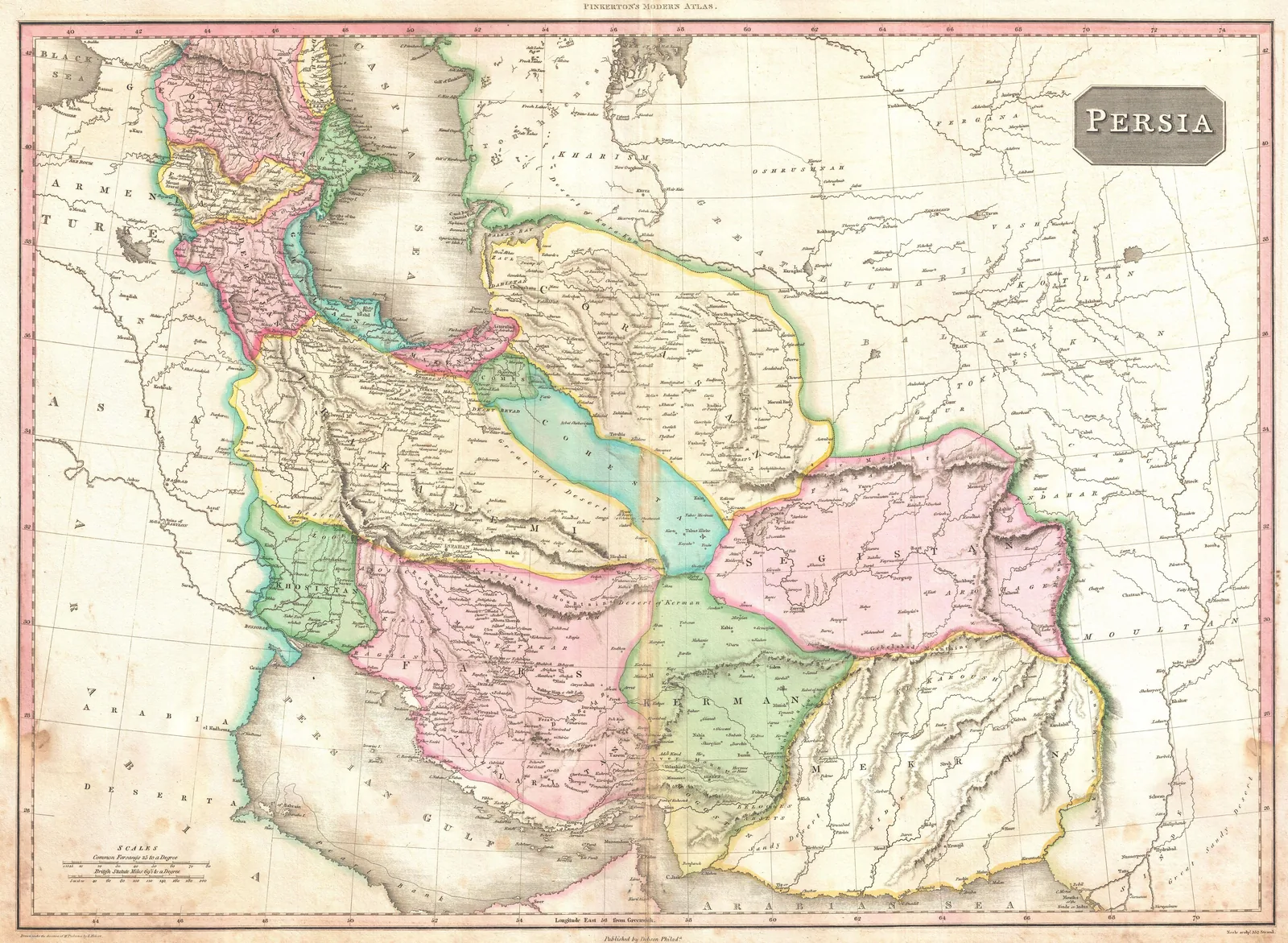
⌖The marker highlights Iranian tea cultivation near the Caspian coast, not the origin of the tea plant or a single birthplace of tea drinking.
01
The historical trail
Iranica distinguishes the spread of tea drinking from the later establishment of domestic tea growing. It says the first Persian acquaintance with tea is uncertain, while tea increasingly displaced coffee during the nineteenth century and imports helped supply demand.
02
Place and tradition
Organized cultivation around Lahijan developed at the beginning of the twentieth century through Kashef-al-Saltaneh's work with plants and knowledge brought from India. Earlier tea drinking and trade therefore should not be dated to that agricultural project. Iranica's tea entry gives 1902 for his experimental plot near Lahijan.
Before you begin
Ingredients
Every ingredient includes U.S. and metric quantities, buying guidance, preparation, and a practical substitution.
Only loose black tea, water, and optional sugar cubes belong in this ingredient setup. The finished tea is transparent amber, with no milk, lemon, flowers, or spices added.
01Loose-leaf black teaAbout 2 tbsp; leaf size changes the volume/10 g+
Why it mattersThe leaves make a concentrated brew that can be diluted for each person.
ChooseChoose fresh, plain black tea such as Iranian tea or Ceylon tea, with a clean aroma. Coarse and fine leaf grades brew at different speeds.
PrepareMeasure by weight when possible and place in the warmed teapot or a roomy infuser; do not pack the leaves tightly.
SubstituteA plain breakfast blend works. Earl Grey gives a noticeable bergamot flavor; decaffeinated black tea can be used, following its shorter package brewing guidance if needed.
AllergenPlain tea has no common major allergen. Flavored blends can contain extra ingredients; regular black tea contains caffeine, and decaffeinated tea is not always caffeine-free.
02Fresh drinking water4 cups, divided, plus a little for warming the pot/960 mL, divided, plus a little for warming the pot+
Why it mattersHalf the water brews the concentrate; the remainder adjusts strength at serving.
ChooseUse drinking water with a neutral taste; filtered water can help if tap water has a noticeable odor.
PrepareUse 2 cups (480 mL) freshly boiled water for the leaves and keep 2 cups (480 mL) hot for dilution. More dilution water is optional for lighter tea.
SubstituteStill bottled drinking water is suitable. Milk is not a substitute for the dilution water in this recipe.
AllergenWater has no food allergen; boiling water and steam are scald hazards.
03Sugar cubes, optional4 small cubes, served on the side/About 16 g, depending on cube size+
Why it mattersA separate sweet accompaniment keeps the pot of tea unsweetened.
ChooseUse plain sugar cubes and check the weight if an exact amount matters.
PreparePlace on a small side dish; guests may add sweetness to their own cup if wanted.
SubstituteOmit entirely, or offer a little granulated sugar separately. This does not change the brewing method.
AllergenPlain sugar has no common major allergen. Check flavored or decorated sugar products separately.
Step by step
Method
Equipment
Kettle and a lidded 3-cup (750 mL) heat-safe teapot
Compatible kettle-top teapot set or a heatproof resting surface
Fine tea strainer or roomy removable infuser
Heat-safe cups or tea glasses and saucers
Measuring jug and a timer
01
Set up a stable tea station
Put the kettle and teapot on stable surfaces away from counter edges. Check that the cups are intended for hot drinks and are not cracked. Boil fresh water within the kettle's marked limits. Swirl a little hot water in the teapot to warm it, then carefully discard that warming water.
Time
5 minutes
Look for
The pot is warm and empty, the kettle is safely filled, and the cups are heat-safe.
02
Make the concentrate
Add 10 g loose black tea to the warmed teapot. Pour 2 cups (480 mL) freshly boiled water slowly over the leaves and fit the lid. Leave room for the leaves to expand; the teapot should not be filled to the rim.
Time
1 minute
Look for
The leaves are fully wetted and can move freely in the hot water.
03
Let the tea open gently
Brew for about 10–15 minutes, tasting a diluted spoonful from 8 minutes onward; some Iranian coarse-leaf teas need longer, so follow the pack if it specifies otherwise. With a purpose-made kettle-top set, keep the teapot above gently simmering water. Otherwise leave the covered warmed pot on a heatproof surface. Never put an ordinary teapot directly on a burner or balance it on an incompatible kettle.
Time
10–15 minutes, adjusted to the leaves
Look for
A diluted sample is clear amber to reddish brown and smells of tea, with a pleasing grip rather than an aggressively bitter taste.
04
Prepare dilution water and strain
During brewing, heat the remaining 2 cups (480 mL) water and keep it hot. When the tea tastes right, remove the infuser or strain the concentrate into a second warmed heat-safe pot if it will not be served at once. Do not keep extracting the leaves simply to make the tea darker.
Time
2 minutes, mostly during brewing
Look for
Hot water is ready and the concentrate has the desired flavor without loose leaves in the serving cup.
05
Dilute each cup to taste
For four medium-strength cups, divide the concentrate among four heat-safe cups, then add about the same amount of hot water to each. Because leaves retain some water, the yield will be approximate. For lighter tea, use one part concentrate to two parts hot water and make more dilution water as needed; for stronger tea, add less water. Pour slowly and leave space below the rim.
Time
2 minutes
Look for
Each cup is transparent, with strength adjusted by dilution rather than prolonged boiling.
06
Serve with time to cool
Set the cups on saucers and offer the optional sugar cubes separately. Let the tea cool to a comfortable drinking temperature before taking a sip. Keep the kettle, cords, and hot cups out of children's reach; do not carry or pour hot tea while holding a child.
Time
Cooling time varies
Look for
The cup is comfortably warm to drink from; steam and color alone do not prove it is safe to sip.
◌
Storage
Freshly brewed tea has the best aroma. If saving plain unsweetened tea, remove the leaves, cool promptly in a clean heat-safe container, cover, refrigerate within 2 hours, and use within 24 hours as a conservative household practice. Store dry leaves tightly closed in a cool, dry cupboard away from strong odors. Do not leave a kettle heating unattended.
↺
Reheating
A fresh pot tastes better than repeatedly warmed tea. If needed, warm only the refrigerated portion you will drink in a saucepan or microwave-safe mug; stir carefully so the temperature is even, then let it cool before drinking. Do not heat a sealed container or reheat tea in an appliance intended only for water.
✦
Variations
For lighter tea, increase the hot water in the cup rather than shortening the brew so much that the leaves do not open.
For a clearly labeled cardamom variation, add 1 lightly cracked green cardamom pod with the leaves and strain it out. Cardamom is optional and not part of the base recipe or its photographs.
A decaffeinated black tea can be brewed in the same general way, using the timing on its package; flavor and residual caffeine vary.
Food safety
Cook with care and judgment
Use cookware designed for hot water and compatible kettle-top sets only. Do not overfill the kettle, let it boil dry, block a steam vent, or drape cloth near a heating element or flame. Pour away from hands and faces. Hot drinks can scald even after they stop steaming; allow time to cool and keep them away from children.
Allergens
The plain black-tea, water, and sugar recipe contains no intentionally added milk, eggs, wheat, soy, or nuts. Check flavored teas and shared serving equipment.
Caffeine is not an allergen, but it is present in ordinary black tea; no fixed caffeine amount is claimed here.
No. A kettle and a covered heat-safe teapot are enough. Use a kettle-top arrangement only if the pieces were designed to fit safely together.
02Must the leaves have been grown in Iran?+
Iranian-grown tea is a good choice, but this recipe describes Persian-style preparation. Ceylon or a plain breakfast blend also works; leaf size and processing change the best brewing time.
03Why is my tea bitter?+
The leaves may be very fine, the brew may have continued too long, or the teapot may have boiled. Taste earlier next time, remove the leaves once ready, and adjust the cup with hot water. Heavy bitterness is better solved with a fresh pot.
04Does Persian tea contain milk?+
Not in this recipe. The concentrate is diluted with hot water and served clear, with optional sugar on the side. It is not a milk-based masala chai.
05Can I use tea bags?+
They can make a cup of tea, but their finer particles often extract faster than loose leaves. Follow the package timing and do not automatically leave them for 15 minutes. The recipe's quantities are written for 10 g loose black tea.
Cooked by you
From your table
Share a photo of your dish and a note about how the recipe went. Every submission is reviewed before public display, and submission does not guarantee publication.