The historical trail
Tahdig is part of Iranian rice cookery, where a browned bottom layer is valued alongside the tender grains. Iranica records a golden rice crust in its account of northern Iranian kateh.
Persian rice and crust
تهدیگ
Golden, crisp rice crust beneath fluffy saffron-scented basmati
This classic rice tahdig uses basmati, oil, butter, and saffron, with no egg or yogurt. Parboiled rice steams gently while its bottom layer turns into a crisp golden crust; serve the fluffy rice and the crust together or lift out the crust in pieces.
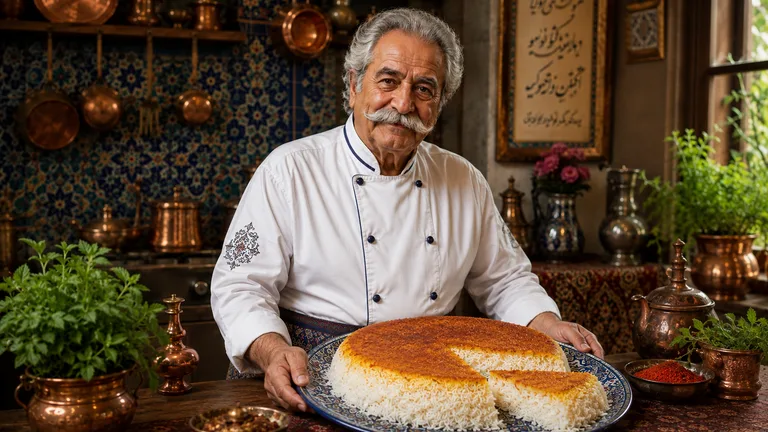
Watch the cooking film
Natural kitchen ambience accompanies this short film. Use the player controls to enable sound.
Across time and place
Tahdig names the prized crust at the bottom of the rice pot. Rice, bread, and potato versions belong to the wider Iranian rice tradition; this recipe focuses on a plain rice crust, not the egg-and-yogurt mixture used in some tahdig and tahchin recipes.
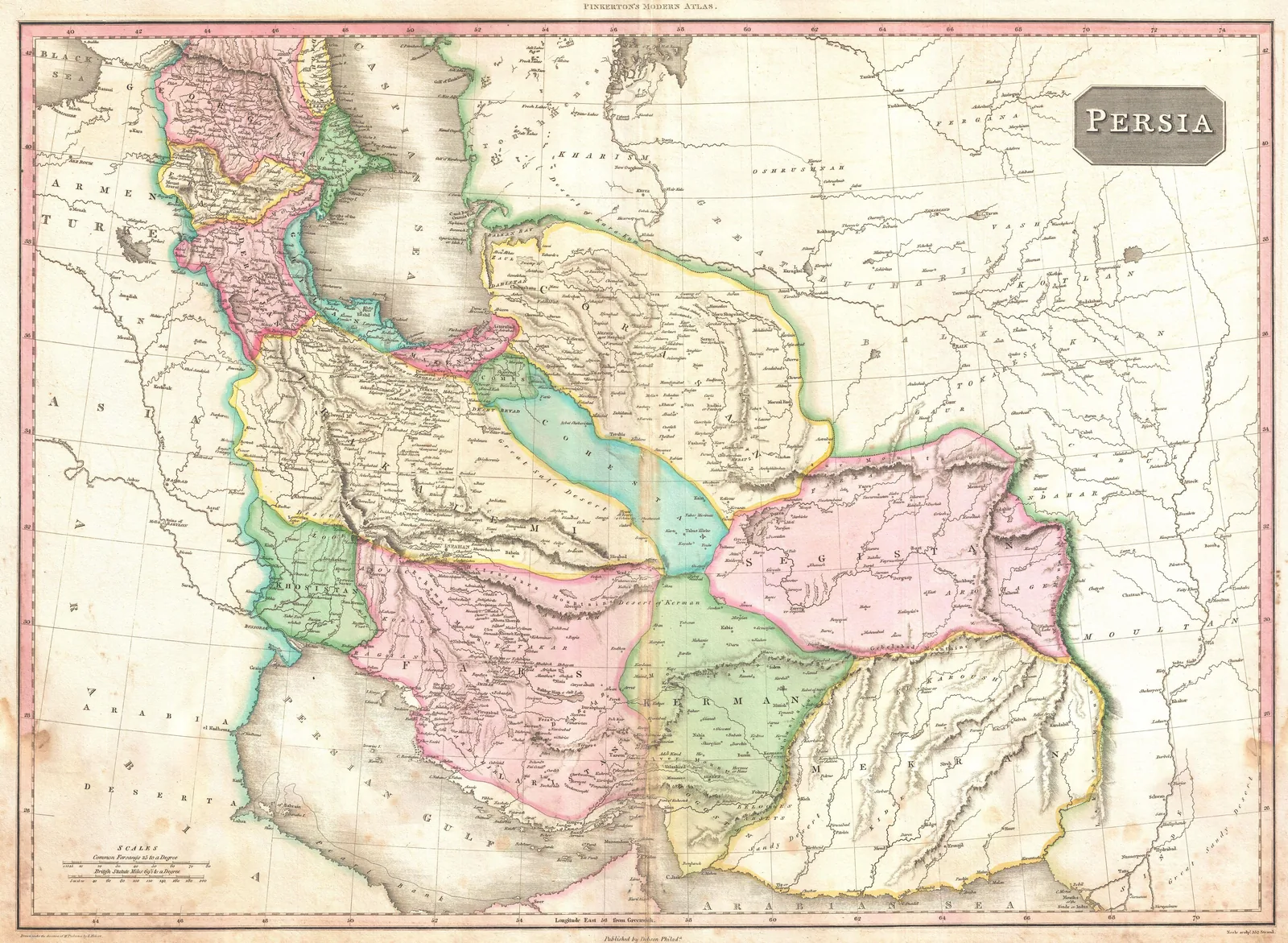 Across Iran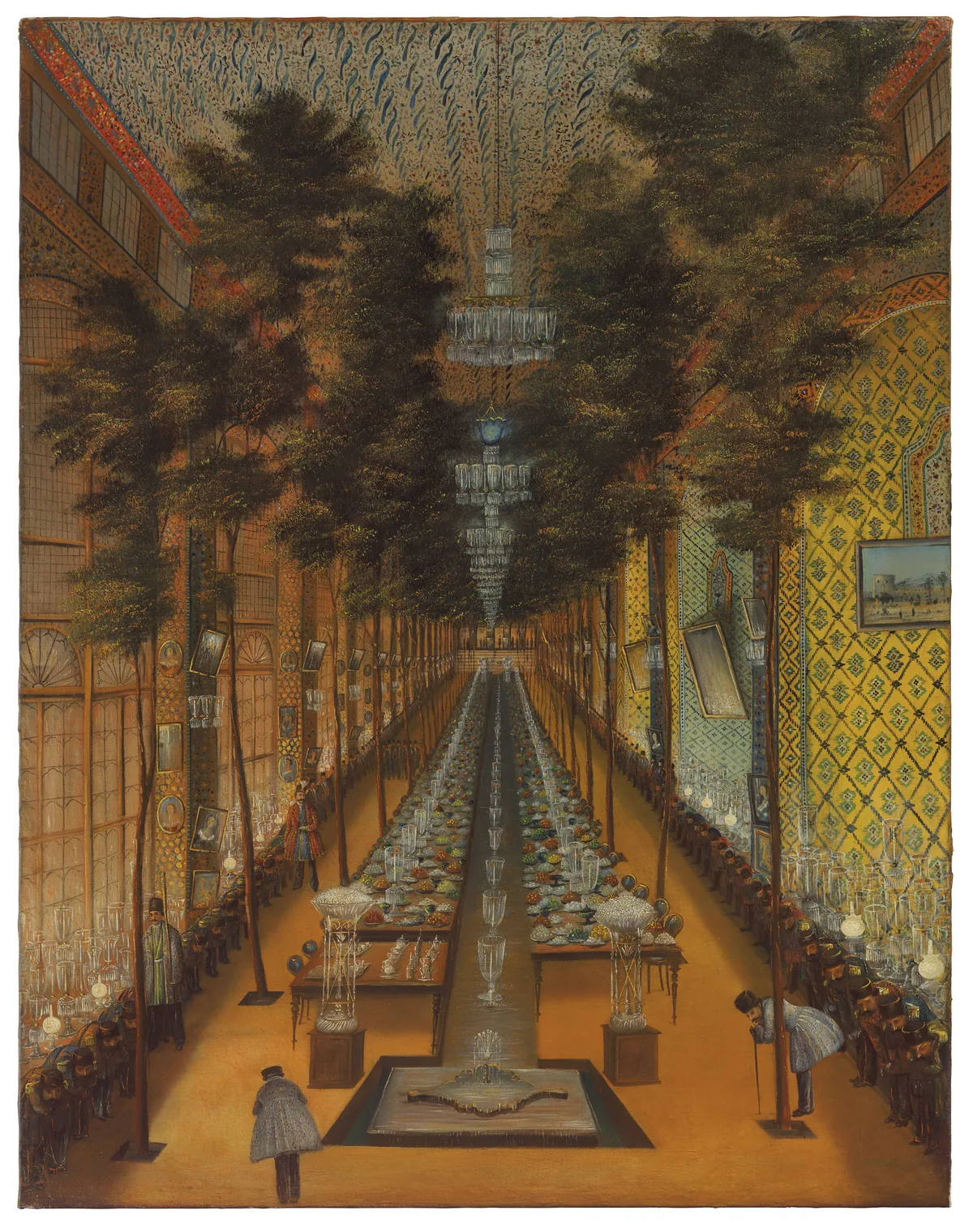
The marker indicates a broad Iranian culinary tradition—not a proven point of invention.
Tahdig is part of Iranian rice cookery, where a browned bottom layer is valued alongside the tender grains. Iranica records a golden rice crust in its account of northern Iranian kateh.
Iranian cooks use several rice methods. Historical accounts distinguish drained, steamed rice from absorption-cooked kateh; Qajar descriptions document the elaborate washing, soaking, boiling, and final steaming process.
Before you begin
Every ingredient includes U.S. and metric quantities, buying guidance, preparation, and a practical substitution.

Why it mattersLong grains give fluffy rice above a crisp, cohesive crust.
ChooseChoose aged white basmati with mostly intact grains; avoid quick-cooking rice.
PrepareRinse gently until the water is nearly clear, then soak in cool water for 30 minutes and drain.
SubstituteAromatic Iranian white rice works, but judge parboiling by the grain because timing differs.
AllergenNaturally gluten-free; check packaged rice for relevant cross-contact warnings.
Why it mattersOil coats the base so the rice fries evenly and releases cleanly.
ChooseUse fresh canola, sunflower, or another suitable neutral cooking oil.
PrepareMeasure the full amount; spread it over the base before adding rice.
SubstituteMild olive oil works with a more noticeable flavor; do not greatly reduce the fat on the first attempt.
AllergenChoose an oil that is safe for the diners’ allergies.
Why it mattersButter perfumes the steamed rice without placing milk solids directly against the hottest base.
ChooseChoose fresh unsalted butter so the seasoning stays adjustable.
PrepareMelt gently and mix with half of the saffron infusion for drizzling over the rice.
SubstituteReplace with 2 tablespoons (30 mL) neutral oil for a dairy-free version.
AllergenContains milk; ghee is not suitable for a milk allergy unless specifically verified safe.
Why it mattersSaffron colors and scents the base without changing the rice-crust method.
ChooseChoose fragrant deep-red threads from a trusted seller rather than an unspecified yellow powder.
PrepareGrind and steep in 1/4 cup (60 mL) hot water taken from the measured water.
SubstituteOmit for plain white-rice tahdig; turmeric gives a different flavor and is not equivalent.
AllergenNo common major allergen; check blended or packaged spices for additives.
Why it mattersSalt seasons the boiling water; most leaves with the drained water.
ChooseUse plain fine salt and weigh it if using another crystal size.
PrepareAdd to the parboiling water, not the saffron crust mixture.
SubstituteReduce to suit your needs; taste a cooled grain after draining before adding extra salt.
AllergenNo common major allergen in plain salt.
Why it mattersAbundant water parboils the grains evenly; a small saffron infusion supplies steaming moisture.
ChooseUse potable water with a clean taste.
PrepareReserve 1/4 cup (60 mL) hot water for saffron and use the remainder for boiling; rinsing and soaking need additional cool water.
SubstituteFiltered water may replace tap water; broth changes the flavor and salt level.
AllergenNo common major allergen.
Step by step
Rinse the rice in several changes of cool water, lifting the grains gently rather than rubbing them. Cover with fresh cool water and soak for 30 minutes, then drain.
During the final 10 minutes of soaking, bring the measured water to a boil. Take 1/4 cup (60 mL) for the ground saffron, cover its bowl, and leave to infuse. Add salt to the remaining boiling water.
Add the drained rice to the boiling water. Stir once gently and boil uncovered, testing from 5 minutes onward. Stop when the exterior is soft but a narrow, firm white core remains; do not cook until fully tender.
Drain immediately and briefly rinse with lukewarm water. Let excess water escape. Gently mix 1 1/2 cups of the parboiled rice with half the saffron infusion in a small bowl; reserve the rest of the rice.
Warm all the oil in the dry nonstick pot over medium heat without smoking. Spread the saffron rice across the entire base in a level layer, pressing only lightly to close large gaps.
Add the remaining rice loosely in a mound. Make 4 steam channels with a spoon handle, stopping above the crust. Melt butter, mix with the remaining saffron infusion, and drizzle over the mound. Cover with the plain lid and heat over medium until steam develops.
Reduce to low. Wrap the lid in a clean cloth and secure every corner firmly on top, away from the burner. Cover and cook without lifting the lid; rotate the pot a quarter-turn every 10 minutes if your burner heats unevenly.
Move the pot off the burner. Remove the cloth and lid, then leave the rice undisturbed for 5 minutes so the crust can firm slightly and loosen from the base.
Run a silicone spatula around the edge. For a full unmold, place a platter wider than the pot over it, hold both firmly with dry oven mitts, and invert away from yourself. If the pot feels too heavy, spoon out the rice and lift the crust in pieces instead.
Serve immediately with the fluffy rice and a stew of your choice. Keep sauce beside the crust until eating so the surface stays crisp. Divide any leftovers into shallow containers promptly.
Portion rice and crust separately into shallow containers and refrigerate promptly, ideally within 1 hour, at 40°F (4°C) or below. Use within 24 hours. For longer storage, freeze promptly for up to 1 month for best quality; thaw in the refrigerator.
Reheat rice covered with a splash of water until 165°F (74°C) throughout. Recrisp crust on a tray in a 350°F (175°C) oven until thoroughly hot, checking after 8 minutes. Reheat only once; crispness will be less uniform than when fresh.
Food safety
Secure the lid cloth completely away from heat and handle the hot pot with dry mitts. Chill cooked rice quickly; reheating cannot reliably make improperly stored rice safe. Discard rice left at room temperature beyond 2 hours, or 1 hour above 90°F (32°C).
Good to know
No. Starch on the parboiled rice, an even oil layer, and controlled heat form this crust. Yogurt and egg belong to other valid styles but are not required here.
The heat may have been too low, the steaming time too short, or the rice too wet. Drain thoroughly, wait for steam before reducing the heat, and give the base another 5 minutes on low if needed.
A thin pot or concentrated burner heat creates hot spots. Use a heavy base, keep the flame under the pot rather than up the sides, and rotate the pot during steaming.
Yes. Spoon out the fluffy rice first and use a flexible spatula to lift the crust in sections. Broken pieces are just as enjoyable and safer to handle than a heavy inverted pot.
Cooked by you
Share a photo of your dish and a note about how the recipe went. Every submission is reviewed before public display, and submission does not guarantee publication.