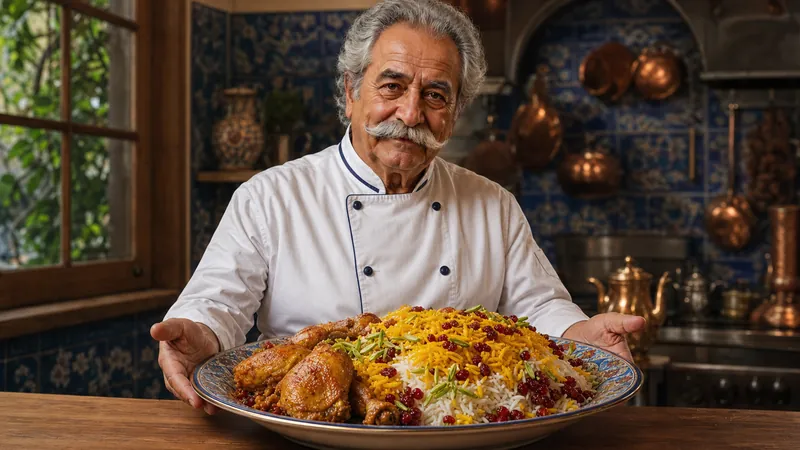
Saffron rice with jewel-bright barberries and tender braised chicken
Fluffy basmati rice is layered with saffron, gently sweetened barberries, and optional slivered nuts, then served with chicken braised in an onion, turmeric, and tomato sauce. Careful parboiling keeps the rice separate while a brief low-heat sauté keeps the barberries vivid.
Natural kitchen ambience accompanies this short film. Use the player controls to enable sound.
Across time and place
History & origin
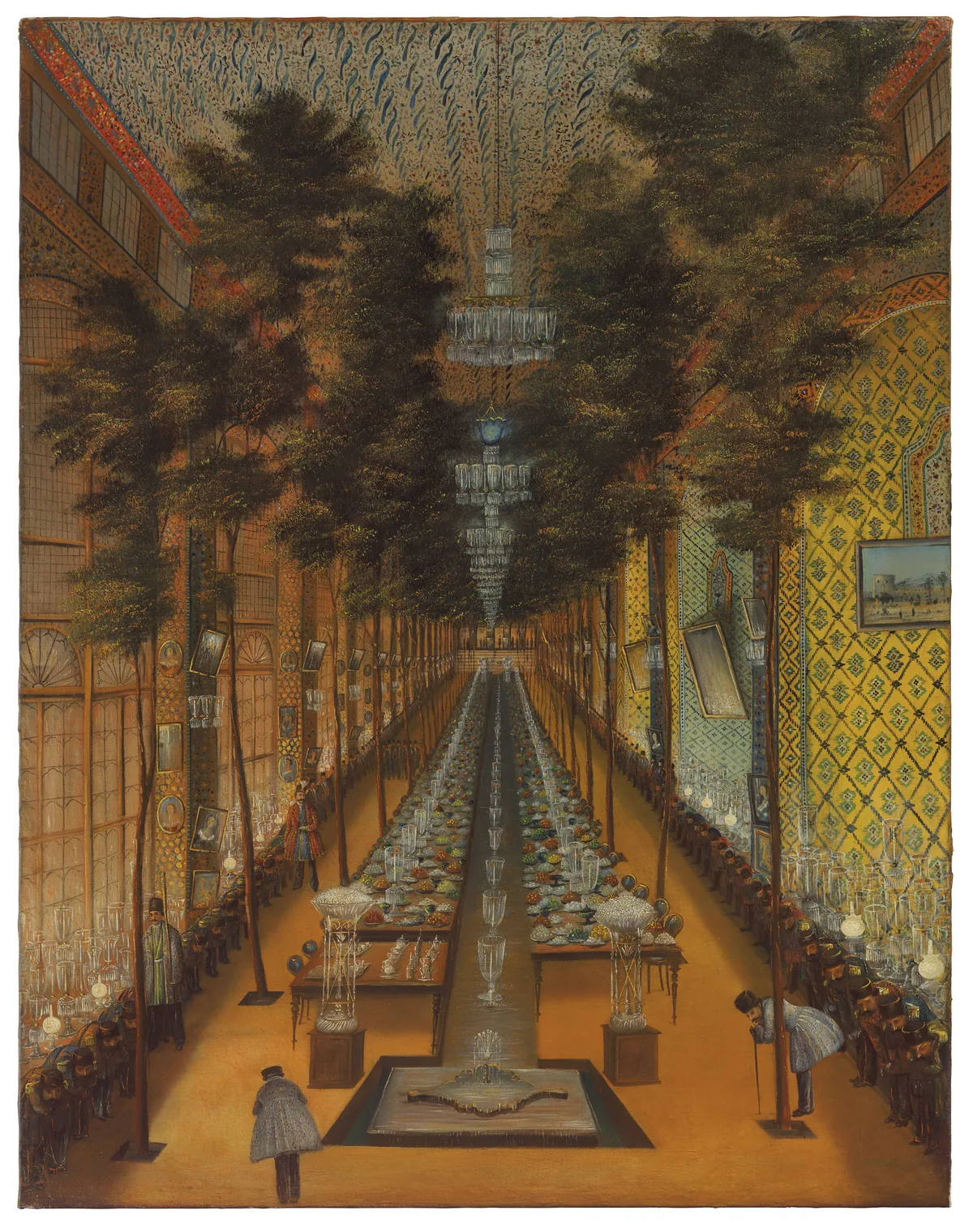
Zereshk polo ba morgh is a familiar Persian celebration and gathering dish. Its appeal comes from contrast: tart ruby barberries against fragrant saffron rice, with savory braised chicken and its sauce served alongside rather than soaking the rice.
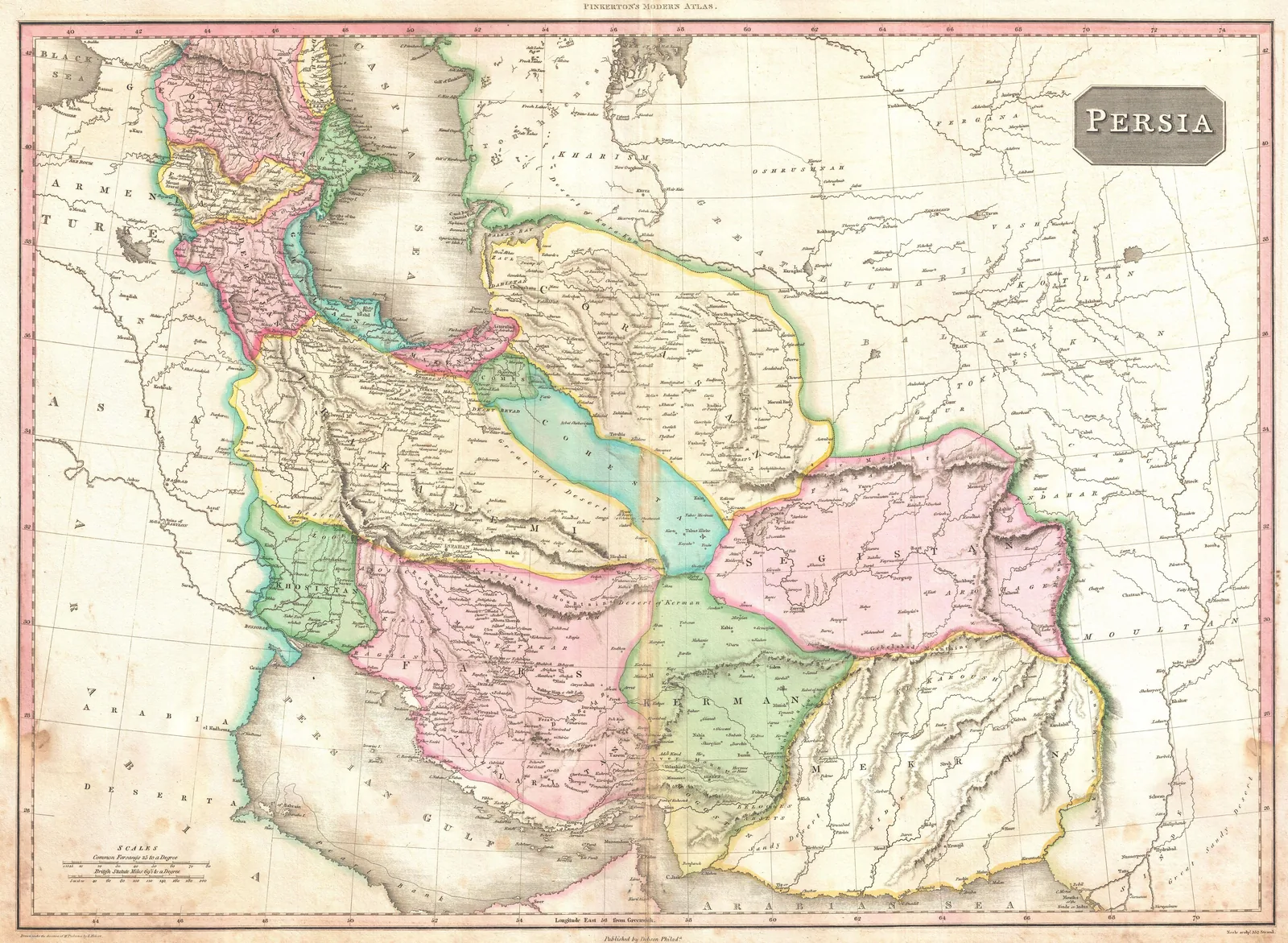
⌖Eastern Iran is highlighted for its documented barberry landscapes and ceremonial food traditions, not as a single proven birthplace.
01
The historical trail
Zereshk polo ba morgh is an Iranian celebration rice whose story joins Persian rice technique with the geography of barberries. Historical foodways sources establish it as a traditional combination, especially suited to gatherings and ceremonial tables.
02
Place and tradition
Iranica documents barberries across Iran’s northern, eastern, and southeastern highlands and defines zereshk-polow as rice with chicken, saffron, and barberries. It also records Khorasani families preparing the dish around Chaharshanbe Suri for relatives.
Before you begin
Ingredients
Every ingredient includes U.S. and metric quantities, buying guidance, preparation, and a practical substitution.
A visual guide to the principal ingredients; exact quantities appear below.
01Bone-in chicken thighs or drumsticks, skin removed3 lb, about 6 pieces/1.35 kg (6)+
Why it mattersBone-in dark meat stays tender during braising and gives the sauce depth.
ChooseChoose pieces of similar size so they finish together.
PrepareRemove loose fat, pat very dry, and refrigerate until ready to brown.
SubstituteUse boneless thighs and begin checking 15 minutes earlier; breast meat dries more easily.
AllergenNo common major allergen; check pre-brined chicken for added ingredients.
02Aged long-grain basmati rice3 cups/555 g+
Why it mattersLong-grain rice provides the light, separate texture expected in Persian polo.
ChooseChoose fragrant aged basmati with long, intact grains and little broken rice.
PrepareRinse until nearly clear, then soak in salted water before parboiling.
SubstituteHigh-quality Persian long-grain rice works; jasmine rice is softer and needs different timing.
AllergenRice has no common major allergen; verify packaging if cross-contact matters.
03Dried barberries1 cup/120 g+
Why it mattersBarberries provide the tart ruby contrast that defines the rice topping.
ChooseChoose bright red, plump berries with minimal stems, grit, and dark pieces.
PreparePick over, rinse in several bowls of cold water, and dry before sautéing.
SubstituteUnsweetened dried cranberries can stand in, but chop them and reduce the sugar.
AllergenSome dried fruit contains sulfites or uses shared equipment; read the label.
Why it mattersOnion sweetens and thickens the savory braising sauce.
ChooseChoose firm onions with dry skin and no soft spots.
PrepareSlice evenly so the onion softens and colors at the same rate.
SubstituteUse 5 to 6 large shallots for a gentler flavor.
AllergenNo common major allergen; allium sensitivity is possible.
05Tomato paste3 tbsp/50 g+
Why it mattersTomato paste gives the chicken sauce color, body, and savory acidity.
ChooseUse a deep-red paste with tomato as the first ingredient and no strong herb seasoning.
PrepareFry until it darkens one shade and smells sweet rather than raw.
SubstituteUse 6 tablespoons plain tomato purée and allow extra reduction time.
AllergenUsually free of common major allergens; check flavored products for additives.
06Saffron threads1/2 tsp/0.3 g+
Why it mattersSaffron perfumes the rice and chicken and creates the golden finishing layer.
ChooseChoose deep-red threads with a strong aroma and little yellow material.
PrepareGrind with a pinch of sugar and steep in 1/4 cup (60 mL) hot, not boiling, water for 15 minutes.
SubstituteThere is no equivalent substitute; omit rather than using artificial coloring.
AllergenNo common major allergen; purchase from a reputable source.
07Neutral cooking oil1/3 cup, divided/80 mL+
Why it mattersOil browns the chicken and onion and forms the base for steamed rice and tahdig.
ChooseUse sunflower, grapeseed, avocado, or another neutral high-heat oil.
PrepareMeasure before cooking; use roughly half for chicken and half for rice.
SubstituteLight olive oil works but adds a mild flavor.
AllergenAllergen depends on source; avoid oil derived from a personal allergen.
08Unsalted butter4 tbsp, divided/56 g+
Why it mattersButter gives the barberries shine and enriches the steamed rice.
ChooseUse fresh unsalted butter so salt remains controllable.
PrepareReserve half for barberries and dot the rest over rice before steaming.
SubstituteUse the same volume of neutral oil for a dairy-free version.
AllergenContains milk.
09Granulated sugar2 tbsp, plus more only if needed/25 g++
Why it mattersA little sugar rounds the sharp edge of barberries without making the rice dessert-sweet.
ChoosePlain granulated sugar dissolves quickly and predictably.
PrepareAdd over low heat and taste with a spoonful of rice.
SubstituteUse a smaller amount of honey, recognizing its distinct aroma.
AllergenPlain sugar has no common major allergen; honey is not for infants under 12 months.
10Ground turmeric1 1/2 tsp/4 g+
Why it mattersTurmeric gives the chicken sauce warm color and earthy depth.
ChooseUse fragrant, vividly golden turmeric.
PrepareBloom briefly with onion and tomato paste; do not scorch.
SubstituteThere is no exact substitute; reduce or omit if unavailable.
AllergenNo common major allergen; verify packaged spice labels.
11Kosher salt2 tbsp, divided, plus more as needed/30 g++
Why it mattersSalt seasons the chicken and parboiling water; most rice-water salt is drained away.
ChooseUse a consistent brand because crystal size changes volume.
PrepareReserve about 2 teaspoons for chicken and use the remainder in rice water.
SubstituteFine sea salt works; begin with less by volume.
AllergenNo common major allergen; flavored salts may contain additives.
12Black pepper1 tsp, freshly ground/2 g+
Why it mattersPepper adds gentle warmth to the braising sauce without covering saffron.
ChooseGrind whole peppercorns just before seasoning.
PrepareSeason the chicken evenly on both sides.
SubstituteUse 1/2 teaspoon white pepper for a subtler visual presence.
AllergenNo common major allergen.
13Waterabout 5 qt, divided/≈4.7 L+
Why it mattersWater braises chicken, blooms saffron, and parboils rice; only the sauce portion remains.
ChooseUse clean-tasting water; filtered water helps if tap water is chlorinated.
PrepareReserve 1/4 cup for saffron and 2 cups for chicken; use the rest to boil rice.
SubstituteUnsalted chicken stock may replace braising water; reduce salt accordingly.
AllergenWater has no allergen; packaged stock may contain milk, gluten, soy, or celery.
14Slivered pistachios or almonds, optional1/3 cup/40 g+
Why it mattersSlivered nuts add color and delicate crunch to the finished platter.
ChooseChoose fresh, unsalted slivers without a rancid odor.
PrepareWarm briefly over low heat; do not brown deeply.
SubstituteOmit completely for a nut-free platter; no replacement is necessary.
AllergenContains tree nuts; unsuitable for the relevant nut allergy.
Step by step
Method
Equipment
Large heavy-bottomed pot with lid
Wide braiser or deep skillet with lid
Fine colander
Clean kitchen towel and instant-read thermometer
01
Rinse and soak the rice
Rinse rice gently in several changes of cool water until almost clear. Cover by 2 inches (5 cm), add 1 tablespoon salt, and soak while beginning the chicken.
Time
30–60 minutes, mostly inactive
Look for
Grains look slightly longer and the soaking water is only faintly cloudy.
02
Bloom the saffron
Grind saffron with a pinch of sugar. Add hot, not boiling, water, cover, and steep. Reserve 1 tablespoon each for chicken and barberries; keep the rest for rice.
Time
15 minutes, inactive
Look for
The infusion is clear golden-orange and strongly fragrant.
03
Season and brown the chicken
Season dry chicken with 1 teaspoon salt, pepper, and 1 teaspoon turmeric. Brown in 2 tablespoons oil over medium-high heat in batches, 3 to 4 minutes per side. Transfer to a clean plate.
Time
12–18 minutes
Look for
Chicken has deep golden patches but remains raw beside the bone.
04
Build the braising sauce
Lower heat to medium; add 1 tablespoon oil and onions and cook until golden. Stir in tomato paste and remaining turmeric; fry until the paste darkens one shade and loses its raw aroma.
Time
12–15 minutes
Look for
Onions are soft, paste is brick-red, and a thin film forms on the pan.
05
Braise the chicken
Return chicken and juices. Add 2 cups (480 mL) water and 1 tablespoon saffron, scraping the pan. Cover partially and simmer over medium-low heat, turning once. Uncover near the end if the sauce is thin.
Time
45–60 minutes
Look for
Chicken reaches 165°F (74°C) at the thickest point without touching bone; sauce lightly coats a spoon.
06
Parboil the rice
Bring remaining water to a rolling boil with remaining salt. Drain soaked rice, add it, and stir once gently. Test after 5 minutes; drain immediately and rinse briefly with lukewarm water when ready.
Time
6–8 minutes
Look for
The outside is tender but a small firm white core remains.
07
Steam the rice
Dry the pot, add remaining oil, and spread 1 cup rice for simple tahdig. Mound remaining rice loosely, poke 5 steam holes, and dot with 2 tablespoons butter. Cover with a towel-wrapped lid; steam 7 to 10 minutes over medium, then 35 to 45 minutes over low. Keep the towel away from heat.
Time
45–55 minutes
Look for
Strong steam rises, grains are long and separate, and the base sounds crisp when tapped.
08
Clean the barberries
Remove stems and dark berries. Swish through several bowls of cold water so grit settles; lift berries out rather than pouring sediment over them. Drain and pat dry.
Time
8–10 minutes
Look for
No grit remains and berries are clean but not waterlogged.
09
Gloss the barberries
Melt remaining butter over low heat. Warm optional nuts 1 minute, add barberries and sugar, and stir only 60 to 90 seconds. Add 1 tablespoon saffron and remove from heat immediately.
Time
3 minutes
Look for
Barberries are glossy, slightly plump, vivid red, and not crisp.
10
Make the saffron rice
Transfer 2 cups steamed rice to a wide bowl. Drizzle with remaining saffron and fold gently until evenly golden without mashing the grains.
Time
3–4 minutes
Look for
Rice is evenly golden and fragrant, with long intact grains.
11
Finish the chicken sauce
Move chicken to a warm platter. Skim only excessive fat, reduce sauce if needed, and adjust salt. Return chicken briefly to glaze, or serve sauce alongside.
Time
5–10 minutes
Look for
Sauce is glossy and spoonable, neither watery nor paste-thick.
12
Layer and serve
Fluff white rice onto a warm platter. Scatter saffron rice and barberries over the top. Arrange chicken beside it, serve sauce separately, and release tahdig onto its own plate.
Time
5 minutes
Look for
The platter shows separate white and gold grains, bright barberries, and crisp tahdig.
◌
Storage
Cool rice, chicken, sauce, and barberry topping promptly and refrigerate in separate shallow covered containers for up to 3 days. Refrigerate within 2 hours. Freeze chicken with sauce and plain rice separately for up to 2 months; barberries are best made fresh.
↺
Reheating
Sprinkle rice with 1 tablespoon water per serving and reheat covered until steaming. Warm chicken gently in sauce to 165°F (74°C). Add barberries after reheating.
✦
Variations
Use boneless chicken thighs and begin checking 15 minutes earlier; keep the sauce at a gentle simmer.
For potato tahdig, arrange thin salted potato rounds over the oiled pot before adding rice.
For a dairy-free, nut-free platter, replace butter with neutral oil and omit the nuts.
Food safety
Cook with care and judgment
Keep raw chicken and its utensils separate from rice and garnishes. Cook chicken to 165°F (74°C) at the thickest point without touching bone. Refrigerate cooked rice and chicken within 2 hours, and keep the towel-wrapped lid safely away from any flame or heating element.
Allergens
Contains milk from butter; replace it fully with neutral oil for a dairy allergy.
Optional pistachios or almonds are tree-nut allergens; omit and prevent cross-contact.
Check dried-barberry and packaged-stock labels for sulfites or other allergens.
Yes. Fine grit often hides among their folds. Swish in several bowls of cold water and lift them out so sediment stays behind.
02Why did my barberries turn dark or bitter?+
The heat was too high or the berries cooked too long. Use low heat for only 60 to 90 seconds and remove as soon as glossy.
03Why is my rice soft or clumped?+
It was likely parboiled too long. Drain while the outside is tender but a firm white core remains, then mound loosely for steaming.
04Can I prepare it ahead?+
Braise chicken and clean barberries one day ahead. Reheat chicken gently, but steam rice and sauté barberries near serving.
Cooked by you
From your table
Share a photo of your dish and a note about how the recipe went. Every submission is reviewed before public display, and submission does not guarantee publication.