The historical trail
Abgoosht is a broad Iranian family of meat-and-legume dishes. Iranica connects the name dizi to a traditional clay cooking pot and records the separate serving of broth and mashed solids.
Persian lamb, bean, and potato stew
دیزی (آبگوشت)
Slow-cooked lamb and legumes, served as broth and a generous bowl of goosht-koobideh
Lamb shoulder, chickpeas, and white beans simmer gently before potatoes, tomato, and dried lime join the pot. Ladle the broth into bowls, then mash the tender solids by hand and serve both parts with flatbread.

Watch the cooking film
Natural kitchen ambience accompanies this short film. Use the player controls to enable sound.
Across time and place
The two-part serving is central to the experience: bread can soak up the broth as tirit, while the mashed meat and vegetables form goosht-koobideh. This home-pot version does not require individual clay dizi vessels.
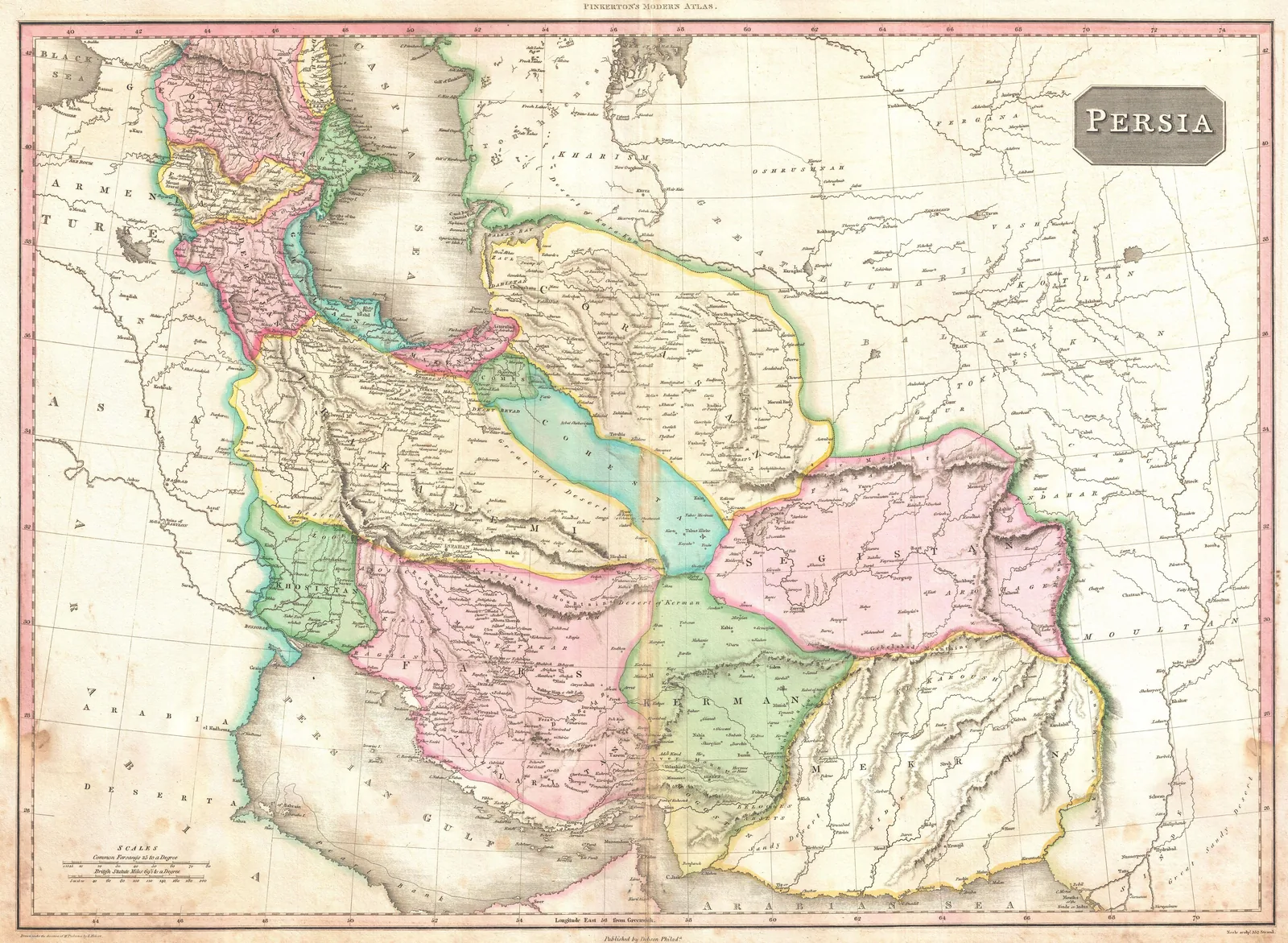 Across Iran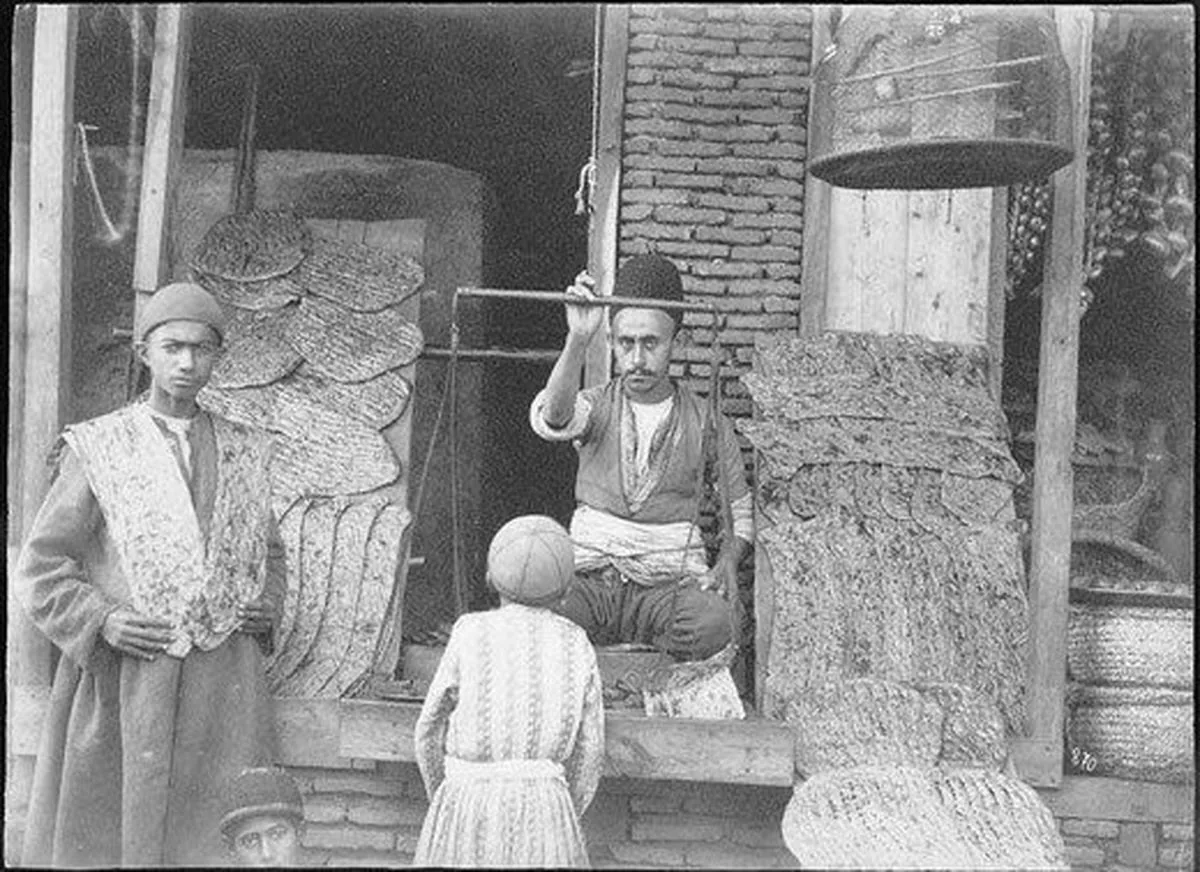
The marker indicates a broad Iranian culinary tradition—not a proven point of invention.
Abgoosht is a broad Iranian family of meat-and-legume dishes. Iranica connects the name dizi to a traditional clay cooking pot and records the separate serving of broth and mashed solids.
Qajar food accounts describe abgoosht with bread in everyday meals. The older meat-broth and yakhni traditions should not be confused with an unchanged ancient tomato-and-potato recipe: those vegetables reached Iranian cooking much later.
Before you begin
Every ingredient includes U.S. and metric quantities, buying guidance, preparation, and a practical substitution.

Why it mattersShoulder becomes tender during a long simmer and gives body to both broth and mash.
ChooseChoose a fresh braising cut with modest marbling; very lean leg meat can become dry.
PrepareTrim thick, hard fat, leave a little soft fat, and cut into roughly 2-inch (5 cm) pieces. Do not rinse raw meat.
SubstituteBeef chuck can replace it by weight; allow additional time if needed and cook to the same fork-tender texture.
AllergenPlain lamb contains no common major allergen; check any pre-seasoned product.
Why it mattersChickpeas bring a nutty flavor and substance to the mashed portion.
ChooseBuy evenly sized, relatively fresh dried chickpeas; old legumes may remain hard for much longer.
PreparePick over, rinse, and soak in ample cold water in the refrigerator for 12 hours; drain and rinse before cooking.
SubstituteUse 1 1/2 cups (250 g) drained, fully cooked chickpeas instead; add with the potatoes rather than at the start.
AllergenContains a legume; chickpea allergy is possible even though it is not among the major U.S. labeled allergens.
Why it mattersWhite beans soften into the mash and give the broth a mild, creamy character.
ChooseUse navy or small white beans, or cannellini; keep the package's cooking instructions for reference.
PrepareSoak separately in the refrigerator for 12 hours, drain, rinse, then boil vigorously in fresh water for 30 minutes before adding to the stew.
SubstituteUse 1 1/2 cups (250 g) drained canned white beans and add with the potatoes. Canned beans are already cooked; dry kidney beans are not a direct slow-cooker substitute.
AllergenContains legumes; check canned alternatives for added ingredients and individual bean allergies.
Why it mattersPotatoes bind the mashed solids and absorb the savory broth.
ChooseChoose firm all-purpose or floury potatoes without green skin or sprouts.
PreparePeel and halve or quarter into roughly 2-inch (5 cm) pieces shortly before adding.
SubstituteUse the same weight of another potato variety; a waxy variety produces a firmer mash.
AllergenPlain potatoes contain no common major allergen.
Why it mattersTomato gives the broth gentle acidity and a warm reddish-gold color.
ChooseChoose ripe, fragrant tomatoes without damaged or moldy areas.
PrepareRinse, core, and quarter. Add only after the legumes are nearly tender so acidity does not delay softening.
SubstituteUse one 14-ounce (400 g) can of plain chopped tomatoes with its juice; reduce added salt if the can is salted.
AllergenNo common major allergen; check canned tomatoes for other ingredients.
Why it mattersOnion sweetens the broth as it slowly softens into the stew.
ChooseChoose a firm onion with dry skin and no soft spots.
PreparePeel and cut into quarters; the pieces will be mashed with the other solids.
SubstituteA white onion of the same weight works well.
AllergenNo common major allergen; individual allium sensitivity is possible.
Why it mattersDried lime adds a deep citrus note distinct from fresh lemon juice.
ChooseChoose intact, light-feeling limes without mold or a musty smell.
PrepareRinse, soak in warm water for 15 minutes, discard the water, and pierce each twice; keep whole for easy removal.
SubstituteFinish with 1–2 tablespoons (15–30 mL) fresh lime juice to taste if unavailable; the aroma will be different.
AllergenNo common major allergen; check packaged dried fruit for any sulfite declaration.
Why it mattersTurmeric gives warmth and color without overwhelming the lamb.
ChooseUse fragrant, plain ground turmeric.
PrepareMeasure and add to the meat and onion at the beginning of the simmer.
SubstituteOmit if necessary; curry powder changes the dish's flavor.
AllergenNo common major allergen; check spice cross-contact if relevant.
Why it mattersSalt seasons both the broth and the solids; final adjustment depends on evaporation.
ChooseUse plain fine salt; compare other salt types by weight.
PrepareStart with 1 teaspoon (6 g); reserve the rest for the final tasting.
SubstituteUse less to suit your needs, especially with salted canned legumes or bread.
AllergenPlain salt contains no common major allergen.
Why it mattersPepper adds a restrained warmth to the broth.
ChooseFreshly ground pepper gives a clearer aroma than stale powder.
PrepareMeasure before cooking and add with the turmeric.
SubstituteReduce or omit for a milder broth.
AllergenNo common major allergen; check packaged blends.
Why it mattersWater becomes the broth served as the first part of the meal.
ChooseUse potable water with a neutral taste.
PrepareMeasure 8 cups (1.9 L) for the stew; keep extra hot water available to maintain the level. Soaking and bean-boiling water are separate and discarded.
SubstituteUnsalted lamb or beef stock may replace part of the water, but is not necessary.
AllergenWater contains no common major allergen; packaged stock can introduce celery, wheat, soy, or other ingredients.
Why it mattersBread accompanies the mash and can be torn into the hot broth at the table.
ChooseChoose fresh sangak, lavash, or another flatbread with a pleasant toasted aroma.
PrepareWarm just before serving; tear a small amount into each broth bowl only when ready to eat.
SubstituteUse suitable gluten-free flatbread if needed; verify the label and preparation surface.
AllergenUsually contains wheat; sangak and other breads may contain sesame, milk, or additional allergens.
Step by step
Sort and rinse the chickpeas and white beans. Put them in separate bowls with at least three times their volume of cold water. Refrigerate for 12 hours, then drain and rinse. Do not use the soaking water in the stew.
Cover the soaked white beans with plenty of fresh water in a saucepan. Bring to a full rolling boil and maintain it for 30 minutes, topping up with boiling water if necessary. Drain. Do not replace this step with a low-temperature slow cooker; follow any stricter package instructions.
While the beans boil, cut the lamb into 2-inch (5 cm) pieces on a separate raw-meat board and quarter the peeled onion. Put lamb, onion, soaked drained chickpeas, turmeric, pepper, and 1 teaspoon (6 g) salt in the heavy pot. Add the measured 8 cups (1.9 L) water.
Bring the main pot to a boil and skim the surface foam. Add the drained, boiled white beans. Reduce to a gentle simmer, partly cover, and cook 1 hour 45 minutes to 2 hours 15 minutes. Check about every 30 minutes, stirring the bottom gently and adding hot water to keep the ingredients submerged.
Near the end of that simmer, rinse and soak the dried limes in warm water for 15 minutes, discard the water, and pierce each twice. Peel and cut potatoes into 2-inch (5 cm) pieces. Rinse, core, and quarter the tomatoes.
Add potatoes, tomatoes, and pierced limes to the nearly tender lamb and legumes. Simmer gently, partly covered, for 45–60 minutes. Taste after 20 minutes and lift out the limes when pleasantly tart. Add hot water as needed; aim for about 4–5 cups (1–1.2 L) broth to share at serving, not a nearly dry stew.
Remove and discard every dried lime before mashing. Taste the broth and add the reserved salt gradually only as needed. If water was added at the end, simmer 5 minutes to blend. Lift the solids into a heatproof bowl with a slotted spoon; leave the broth in the pot over very low heat while you mash.
Mash the lamb, legumes, potatoes, onion, and tomato with a sturdy hand masher until cohesive but not gluey. Loosen with 2–4 tablespoons (30–60 mL) hot broth if necessary. Serve the remaining broth in bowls and the goosht-koobideh on a warm plate, with warm bread alongside. Tear bread into the broth only immediately before eating.
Divide broth and mash into separate shallow containers and refrigerate within 2 hours, or within 1 hour above 90°F (32°C). Keep at 40°F (4°C) or colder and use within 3 days. Freeze portions without bread for up to 2 months for best quality; thaw in the refrigerator. Potato texture may soften after freezing.
Bring the broth to a rolling boil. Reheat the mash in a covered pan with a few spoonfuls of broth, stirring frequently, until it reaches 165°F (74°C) throughout. Add freshly warmed bread at the table, not to the stored broth.
Food safety
Keep raw lamb and its juices away from ready-to-eat food; wash hands and tools after handling, and do not wash raw meat. Soak dried legumes in the refrigerator, discard soaking water, and complete the white beans' 30-minute rolling boil before slow simmering. Do not cook raw dried kidney beans only in a slow cooker. Use stable, heat-safe cookware and watch for steam when mashing hot solids.
Good to know
No. A heavy lidded pot handles the long simmer well. Only use clay cookware explicitly rated for your heat source, and follow its maker's instructions to avoid cracking.
Age, water hardness, and insufficient cooking time can all contribute. Keep simmering in enough water and delay tomato and lime until the legumes are nearly tender. Do not rely on soaking alone.
No. Reserve the broth in the pot and mash the drained solids. Add only a few spoonfuls to loosen the mash; the remaining broth is served separately with bread.
Broken dried-lime seeds or prolonged contact with a strong lime can make the broth bitter. Keep limes whole and pierced, taste during cooking, and remove them before mashing.
Yes. Chill broth and mash promptly in separate shallow containers. Reheat the broth to a boil and the mash to 165°F (74°C), then warm fresh bread for serving.
Cooked by you
Share a photo of your dish and a note about how the recipe went. Every submission is reviewed before public display, and submission does not guarantee publication.