The historical trail
Iranica describes koobideh as kneaded ground meat and onion on wide skewers, within the chelow-kabab family. It records both bread and rice service.
Persian grilled meat
کباب کوبیده
Outdoor-grilled beef-and-lamb skewers with drained grated onion, tomatoes, and sumac
Finely ground beef and lamb are kneaded with well-drained onion until sticky, chilled, and shaped on broad metal skewers. Frequent early turns over a hot outdoor grill help the ridged kebabs hold together; a thermometer, not their color, confirms the center is cooked.

Watch the cooking film
Natural kitchen ambience accompanies this short film. Use the player controls to enable sound.
Across time and place
Koobideh can be served with rice or flatbread. This version keeps the meat mixture free of egg and breadcrumbs and offers grilled tomatoes and sumac alongside; rice or bread is prepared separately.
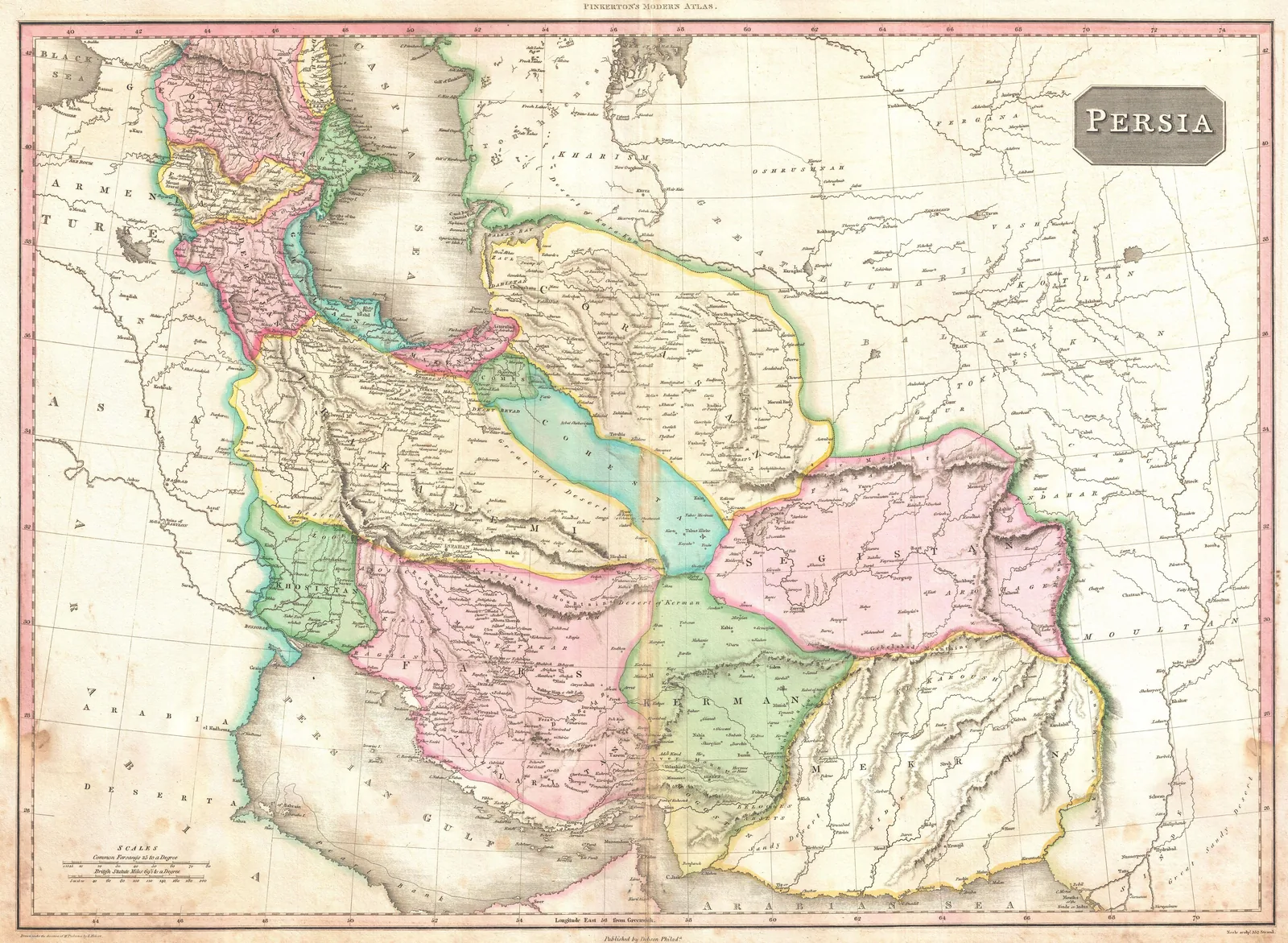 Across Iran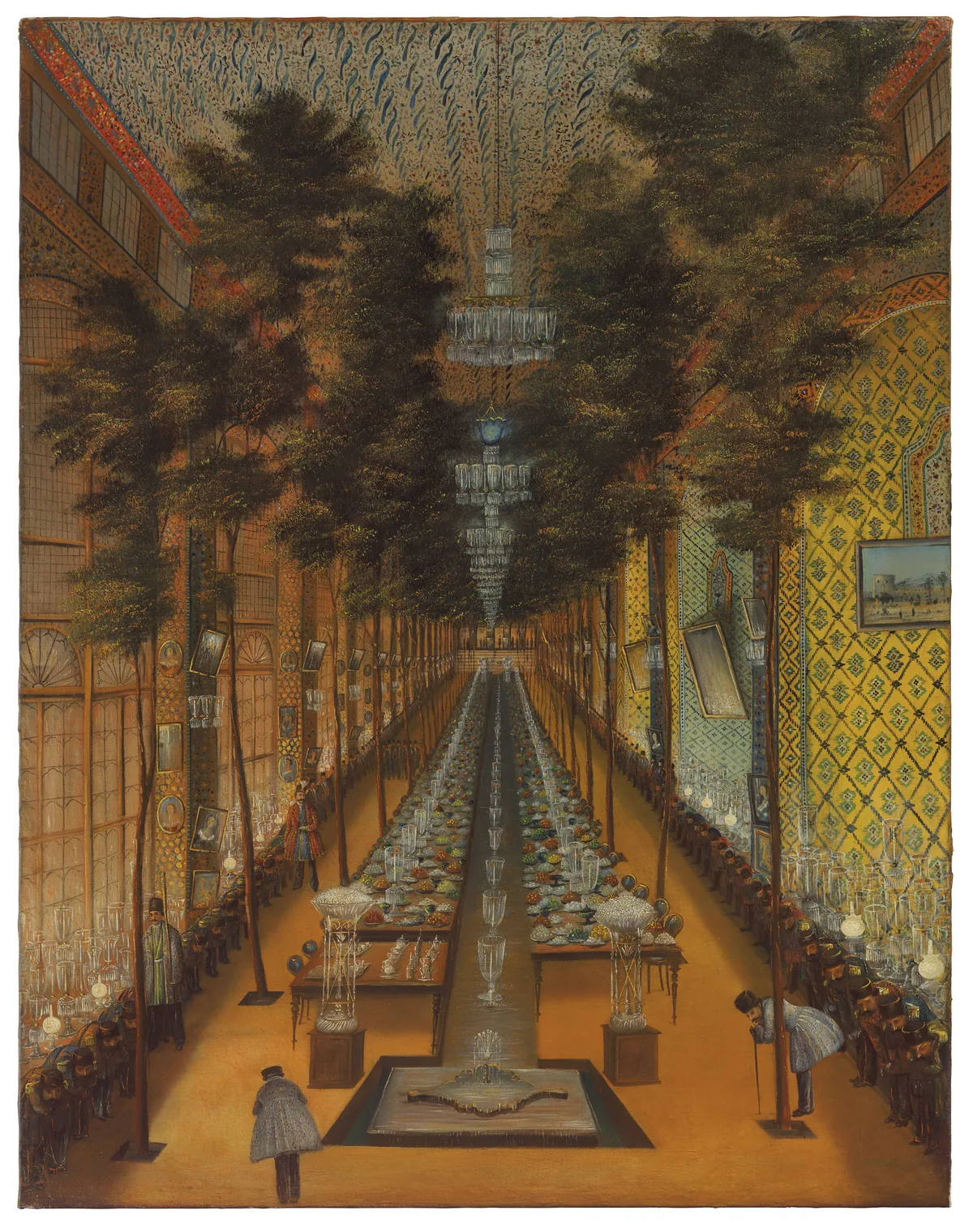
The marker indicates a broad Iranian culinary tradition—not a proven point of invention.
Iranica describes koobideh as kneaded ground meat and onion on wide skewers, within the chelow-kabab family. It records both bread and rice service.
Qajar accounts document the wider rice-and-kabab meal, including in Tabriz. Contemporary Persian cooks show continuing variation in meat blends and binders.
Before you begin
Every ingredient includes U.S. and metric quantities, buying guidance, preparation, and a practical substitution.

Why it mattersBeef provides structure; sufficient fat helps prevent a dry result.
ChooseChoose plain, finely ground beef kept cold; ask for a second grinding if coarse.
PrepareKeep refrigerated until mixing; do not wash ground meat.
SubstituteUse 900 g all-beef mince with about 20% fat instead of the beef-and-lamb blend.
AllergenPlain beef has no common major allergen; check seasoned mince.
Why it mattersLamb adds a fuller flavor and contributes fat to the mixture.
ChooseChoose finely ground shoulder with moderate fat, not very lean leg mince.
PrepareCombine with the chilled beef and break up any compact lumps.
SubstituteReplace by weight with 80%-lean ground beef.
AllergenNo common major allergen in plain lamb.
Why it mattersFine onion pulp seasons the meat; loose onion juice weakens the mixture.
ChooseChoose firm onions with no soft spots.
PreparePeel, finely grate, squeeze in a clean cloth, and weigh the drained pulp.
SubstituteWhite onion works in the same drained weight; diced onion is not equivalent.
AllergenIndividual allium sensitivity is possible.
Why it mattersSalt seasons the meat and helps it become cohesive during kneading.
ChooseUse fine salt; measure coarse types by weight.
PrepareMix evenly into the meat before kneading.
SubstituteReduce slightly to taste; never taste the raw mixture.
AllergenNo common major allergen in plain salt.
Why it mattersPepper gives a mild warmth without hiding the meat flavor.
ChooseUse fresh ground pepper without other seasonings.
PrepareDistribute through the mince with the salt.
SubstituteHalve for a milder result.
AllergenCheck spice blends for cross-contact if needed.
Why it mattersGrilling softens tomatoes into a juicy accompaniment.
ChooseChoose ripe but firm, similarly sized tomatoes.
PrepareWash and dry; cook whole on the grate or a separate suitable skewer.
SubstituteSmall firm vine tomatoes also work; their cooking time varies.
AllergenNo common major allergen; individual tomato allergy is possible.
Why it mattersA little oil coats the tomatoes and helps prevent sticking on the grate.
ChooseChoose fresh oil suitable for high-heat cooking.
PrepareRub onto tomatoes before they reach the grill; do not pour over flames.
SubstituteUse a suitable olive oil if preferred.
AllergenChoose an oil compatible with diners' allergies.
Why it mattersSumac gives a dry, tart finish alongside the grilled meat.
ChooseLook for burgundy sumac without added salt or dye.
PrepareSprinkle over cooked kebabs at the table, not into the raw mixture.
SubstituteServe lemon wedges instead; the flavor will differ.
AllergenCheck packaged spice labels and personal sumac sensitivity.
Why it mattersFresh lemon lets diners adjust the acidity.
ChooseChoose a juicy lemon with sound skin.
PrepareWash, cut into wedges, and keep apart from raw-meat utensils.
SubstituteLime wedges can be used instead.
AllergenNo common major allergen; individual citrus sensitivity is possible.
Step by step
Finely grate the peeled onions into a bowl. Transfer to a clean cloth and squeeze firmly until no free liquid runs out. Measure 180 g (about 3/4 cup) pulp; discard the juice for this recipe. Keep the meat cold while you work.
Mix both meats, onion pulp, salt, and pepper. Knead and fold firmly for 6–8 minutes until the mixture is uniformly tacky and holds together when lifted. Cover and refrigerate at 40°F (4°C) or below for 1 hour. If the bowl warms while mixing, chill it before continuing.
During chilling, prepare the grill outdoors only, well away from doors, windows, and combustible materials. Follow the manufacturer's instructions. For charcoal, wait until coals glow under a light ash coating and flames have subsided. Arrange a hot cooking zone and a cooler zone for flare-ups. Never use charcoal in a home, garage, tent, or enclosed balcony.
Divide the cold mixture into 8 equal portions. With lightly damp hands, press each around a clean, cool, dry broad skewer, about 10 inches (25 cm) long, 1 1/2 inches (3.5 cm) wide, and no more than 5/8 inch (1.5 cm) thick. Seal both ends around the metal and pinch shallow ridges along the meat. Refrigerate shaped skewers until the grill is ready.
Lightly coat the dry tomatoes with the measured oil. Grill on a clean grate or separate skewers, turning with tongs until blistered and softened. Keep clear of raw-meat drips. They can cook beside the kebabs if there is enough space.
Place the skewers over the hot zone using the grill's approved skewer support or grate. Turn the first skewer after about 20–30 seconds and continue turning all skewers frequently for the first 2 minutes so both faces set. Continue cooking, turning every 30–60 seconds. Move to the cooler zone if fat causes flames; do not leave them unattended.
Insert a thin-tip thermometer from the side into the thickest meat without touching the metal skewer. Check each kebab: every center must reach at least 160°F (71°C). Return any undercooked skewers to the grill and check again; do not judge safety by browned surfaces or clear juices.
Transfer to a clean tray. Wearing heat-resistant gloves, hold each skewer steady, loosen both meat ends, and slide the kebab off with tongs or a clean piece of bread. Serve with grilled tomatoes, sumac, lemon, and separately prepared rice or flatbread. Do not reuse the raw-meat tray.
Refrigerate cooked kebabs in shallow covered containers within 2 hours, or within 1 hour above 90°F (32°C). Keep at 40°F (4°C) or below and use within 3 days. Freeze for up to 2 months for best quality; thaw in the refrigerator. Store any rice separately and use it within 24 hours.
Place kebabs in a covered skillet with a small splash of water. Warm gently, turning once, until the thickest centers reach 165°F (74°C). Heat only what you will eat; hard frying dries the outside before the middle warms.
Food safety
Outdoor grilling only: charcoal produces deadly carbon monoxide even when it looks extinguished. Keep raw meat chilled and separate from cooked food, wash hands and tools, and use a clean serving plate. Cook ground beef and lamb to 160°F (71°C), never by color alone. Use heat-resistant gloves for hot metal skewers.
Good to know
Excess onion liquid, a loose under-kneaded mixture, warm fat, deep cracks, or a slow first turn can contribute. Use the measured drained pulp, knead until tacky, chill, seal the ends, and turn frequently as the meat first sets.
Not in this version. Properly drained onion and well-kneaded meat provide the structure. Some cooks use egg, but it is not necessary for the method described here.
Broad metal skewers support this soft mixture best. Thin round or wooden skewers do not hold the same shape reliably; use the specified equipment for this recipe.
No. A household hood does not make charcoal safe indoors. Use the charcoal or gas barbecue outdoors only, with the clearances required by its manufacturer.
Cooked by you
Share a photo of your dish and a note about how the recipe went. Every submission is reviewed before public display, and submission does not guarantee publication.