The historical trail
Iranica places green-bean rice among Iranian mixed-rice dishes. Its Beans entry also records a dill-containing version, illustrating that one name can cover differing preparations.
Persian mixed rice with beef
لوبیاپلو
Steamed rice layered with tender beef, green beans, and tomato, over golden potato tahdig
Small cubes of beef simmer until tender before meeting green beans and a concentrated tomato sauce. The reduced filling is layered with firm-centered parboiled rice, a restrained touch of cinnamon, and saffron, then steamed until the grains are separate and the potato base is golden.

Watch the cooking film
Natural kitchen ambience accompanies this short film. Use the player controls to enable sound.
Across time and place
Loobia polo here means green-bean rice, not rice with dried beans. Household versions differ in meat cut and seasoning; this tomato-based version has no dill, so the green beans and gentle cinnamon remain distinct.
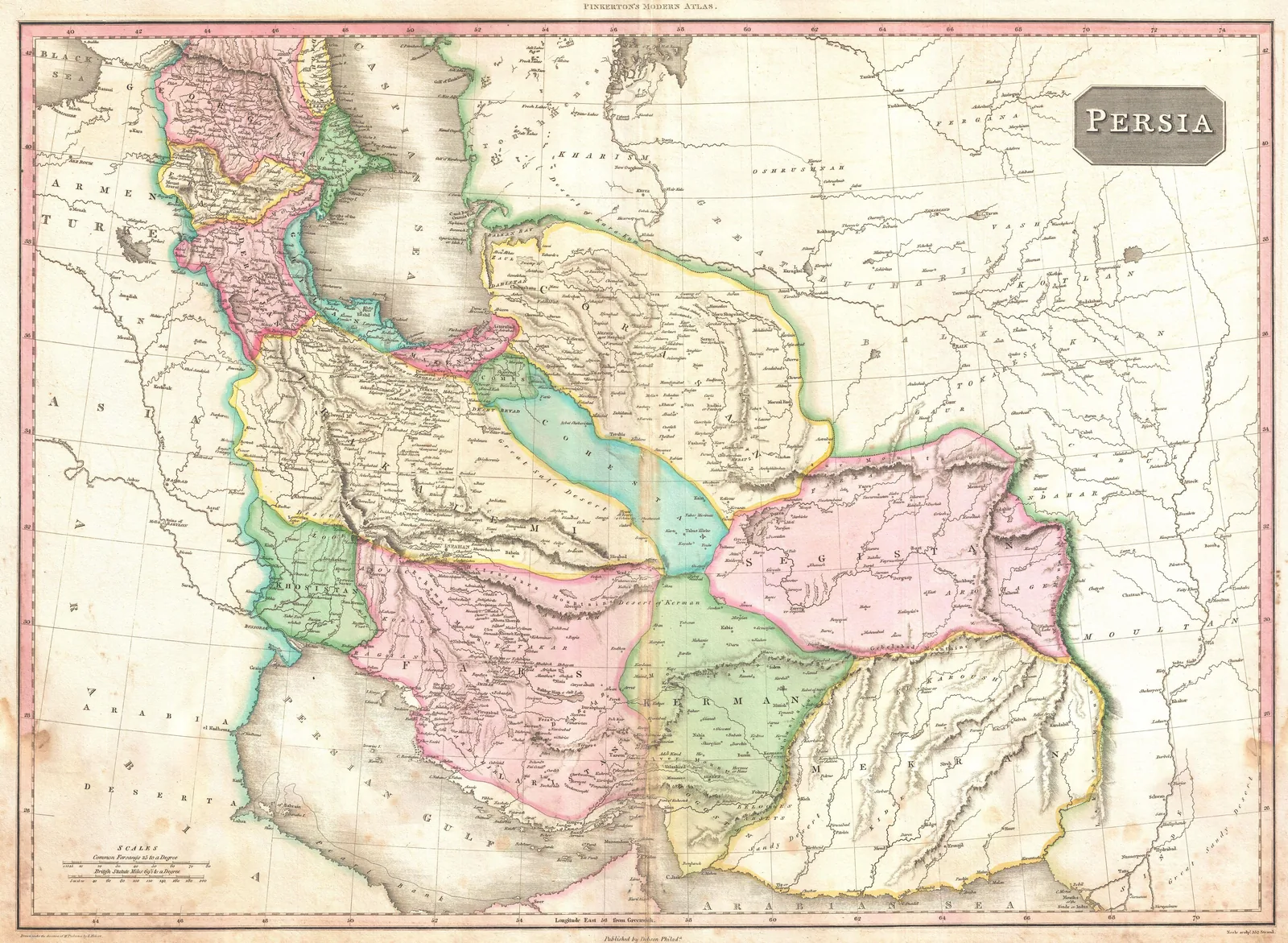 Across Iran
The marker indicates a broad Iranian culinary tradition—not a proven point of invention.
Iranica places green-bean rice among Iranian mixed-rice dishes. Its Beans entry also records a dill-containing version, illustrating that one name can cover differing preparations.
Iranica's Qajar cuisine survey connects the dish's development with the arrival of newer ingredients such as green beans and tomatoes. That is historical context, not a precise birth date.
Before you begin
Every ingredient includes U.S. and metric quantities, buying guidance, preparation, and a practical substitution.

Why it mattersLong grains keep their identity among the tomato-coated filling.
ChooseChoose aged white rice with few broken grains.
PrepareRinse gently and soak in cool water for 30 minutes; drain before boiling.
SubstituteIranian aromatic white rice works; test the grain rather than keeping the same boiling time.
AllergenNaturally gluten-free; check cross-contact when relevant.
Why it mattersSlow cooking softens this braising cut before the rice is added.
ChooseLook for moderate marbling and no large hard fat seams.
PreparePat dry without washing, trim hard fat, and cut into 1/2-inch (1.5 cm) cubes.
SubstituteLamb shoulder can replace it by weight; simmer until tender before layering.
AllergenNo common major allergen in plain meat.
Why it mattersGreen bean pods give this polo its defining texture and flavor.
ChooseChoose slender, crisp pods without tough strings or large bulging seeds.
PrepareWash, dry, trim both ends, and cut into 3/4-inch (2 cm) pieces.
SubstituteUse unsauced frozen cut green beans; cook off their extra moisture before layering.
AllergenGreen beans are legumes; consider individual bean allergy.
Why it mattersOnion builds the savory, lightly sweet sauce base.
ChooseChoose a firm dry onion without sprouts.
PreparePeel and finely dice for even softening.
SubstituteWhite onion works in the same weight.
AllergenIndividual allium sensitivity is possible.
Why it mattersPaste supplies concentrated color without flooding the rice with water.
ChooseChoose plain paste without added sugar or herbs.
PrepareStir into the onion and beef briefly before adding water.
SubstituteDouble-concentrated paste may need slightly less; dilute and taste the sauce.
AllergenCheck flavored brands for added allergens.
Why it mattersFresh tomato adds brightness to the concentrated paste.
ChooseUse ripe red tomatoes, not hard unripe ones.
PrepareWash, remove the hard cores, and finely dice.
SubstituteUse the same weight of plain canned crushed tomatoes.
AllergenNo common major allergen; check canned additives.
Why it mattersThin potato slices form a protective, golden tahdig layer.
ChooseChoose a firm potato without green areas or sprouts.
PreparePeel, slice 1/8 inch (3 mm) thick, rinse, and dry thoroughly.
SubstituteFor plain rice tahdig, omit potato and use 1 cup of the parboiled rice as the base.
AllergenPlain potato has no common major allergen.
Why it mattersOil browns the filling and crisps the potato base.
ChooseChoose fresh neutral oil suitable for sautéing.
PrepareAllocate 2 tbsp (30 mL) to beef, 1 tbsp (15 mL) to beans, 2 tbsp (30 mL) to tahdig, and 1 tbsp (15 mL) over rice.
SubstituteA mild olive oil can replace it; butter changes browning and adds milk.
AllergenSelect an oil compatible with diners' allergies.
Why it mattersTurmeric gives the beef base earthy warmth.
ChooseChoose fragrant, unsalted ground turmeric.
PrepareAdd after browning the beef and stir briefly.
SubstituteOmit if needed; curry powder changes the dish.
AllergenCheck spice cross-contact if needed.
Why it mattersA measured touch gives the filling a warm aroma.
ChooseUse fresh cinnamon without added sugar.
PrepareStir into the reduced filling just before layering.
SubstituteReduce to 1/4 tsp or omit for a simpler tomato flavor.
AllergenPlain cinnamon has no common major allergen.
Why it mattersSaffron perfumes the final rice rather than overpowering the filling.
ChooseChoose deep-red threads from a trusted source.
PrepareGrind and steep in 2 tbsp (30 mL) hot water for 10 minutes.
SubstituteOmit if unavailable; food coloring is not a flavor substitute.
AllergenCheck packaged blends for additives.
Why it mattersThe beef sauce and rice cooking water are seasoned separately.
ChooseUse fine salt or match the weight for other types.
PrepareUse 1 tsp (6 g) for the filling and 4 tsp (24 g) in the rice boiling water.
SubstituteReduce to taste; the stated amount is not the amount remaining in the food.
AllergenPlain salt has no common major allergen.
Why it mattersPepper balances the tomato and beef.
ChooseFreshly grind if possible.
PrepareAdd with the turmeric.
SubstituteReduce or omit for a milder dish.
AllergenCheck spice blends if using them.
Why it mattersBeef needs moist cooking, while the rice boiling water is drained away.
ChooseUse potable water.
PrepareKeep a little extra hot water available if the beef needs longer.
SubstituteUnsalted stock may replace beef-cooking water but changes the flavor.
AllergenWater has no allergen; stock may contain celery, wheat, milk, or soy.
Step by step
Cut the dry beef into even 1/2-inch (1.5 cm) cubes. Dice the onion and tomatoes. Wash, dry, trim, and cut the green beans into 3/4-inch (2 cm) lengths. Keep vegetables and their tools separate from raw meat.
Heat 2 tablespoons (30 mL) oil in the heavy saucepan over medium heat. Cook the onion for 8–10 minutes until golden at the edges. Add beef, raise to medium-high, and cook for 6–8 minutes, stirring, until its surface moisture evaporates and some edges brown.
Stir in turmeric and pepper for 30 seconds, then tomato paste for 1 minute. Add diced tomatoes, 1 teaspoon (6 g) salt, and 2 cups (480 mL) water. Bring to a simmer, cover, and cook gently for 60–90 minutes. Stir occasionally and add a little hot water only if it threatens to dry out.
When beef is almost tender, sauté the beans in 1 tablespoon (15 mL) oil in a wide skillet for 6–8 minutes. Add them to the beef and simmer with the lid ajar for 15–20 minutes, until tender. Uncover to evaporate excess liquid, stir in cinnamon, then turn off the heat. The filling must be spoonable, not soupy.
During the final 30 minutes of the filling, rinse rice gently until the water is less cloudy and soak in cool water for 30 minutes. Grind saffron and steep in 2 tablespoons (30 mL) hot water. Peel the potato, slice 1/8 inch (3 mm) thick, rinse, and dry completely.
Bring 10 cups (2.4 L) water and the remaining 4 teaspoons (24 g) salt to a rolling boil. Drain the soaked rice and add it. Boil for 4–7 minutes, testing early. Drain when the outside is flexible but a thin firm core remains; rinse briefly with lukewarm water and let excess water drain away.
Put 2 tablespoons (30 mL) oil in the dry nonstick rice pot over medium heat. Arrange dry potato slices in one layer without stacking. Add a thin layer of plain rice, then alternate remaining rice and filling in 3 loose layers, finishing with rice. Keep tomato filling away from the pot wall and do not press it down. Drizzle with saffron infusion and the last tablespoon (15 mL) oil.
Make 4 steam channels with a spoon handle, stopping above the potato. Cover and heat on medium for 5–7 minutes until steam rises. Fit a clean cloth securely around the lid with all corners above the pot and away from heat. Cover again, reduce to low, and steam for 40–45 minutes. If there is a burnt smell, move the pot off the burner immediately.
Rest off the heat for 10 minutes. Lift rice and filling gently onto a platter with a broad spoon, mixing only lightly. Loosen the potato tahdig with a non-scratching spatula and serve beside the rice. Do not force an entire pot inversion if the base resists.
Divide leftovers into shallow containers and refrigerate promptly, ideally within 1 hour; do not cool rice in the cooking pot. Keep at 40°F (4°C) or below and use within 24 hours. Freeze promptly cooled portions for up to 1 month for best quality; thaw in the refrigerator.
Reheat one portion once, with 1–2 tablespoons water in a covered pan or microwave-safe dish. Stir gently midway and heat throughout to at least 165°F (74°C). Eat immediately; tahdig will soften under a lid and is best recrisped separately.
Food safety
Keep raw beef and its tools away from washed vegetables and cooked rice. Do not wash raw beef. Secure the lid cloth away from flames and hot surfaces. Cooked rice requires prompt cooling; reheating cannot reliably make rice safe after improper room-temperature storage.
Good to know
The rice may have been boiled too far, the filling too wet, or the layers pressed down. Drain with a firm center, reduce the sauce until thick, and layer loosely.
Some documented versions do, but this recipe does not. It uses green beans, beef, tomato, cinnamon, and saffron. It is different from dill rice with fava beans or black-eyed peas.
Yes, use plain cut beans by weight. Their extra water must evaporate, and already-blanched beans may become tender sooner. Check before following the full fresh-bean time.
Yes. Cool it promptly in a shallow container and refrigerate for up to 2 days. Reheat thoroughly to 165°F (74°C), reduce any loose liquid, then layer with freshly parboiled rice.
Cooked by you
Share a photo of your dish and a note about how the recipe went. Every submission is reviewed before public display, and submission does not guarantee publication.